



We believe there is always another way.
WE CALL IT THAT SOLUTION
At The Habitats Trust, we specialise in providing humane development solutions that meet economic and societal aspirations through ecological integrity. We do this by applying innovative design thinking, using cutting-edge conservation technology and by bringing all stakeholders to the table. This signature approach of ours is called 'THAT SOLUTION'.



THAT SOLUTION CASE STUDIES
PROBLEM
Monoculture plantations and degraded habitats in Kerala’s Wayanad have weakened climate resilience and intensified human-wildlife conflict.
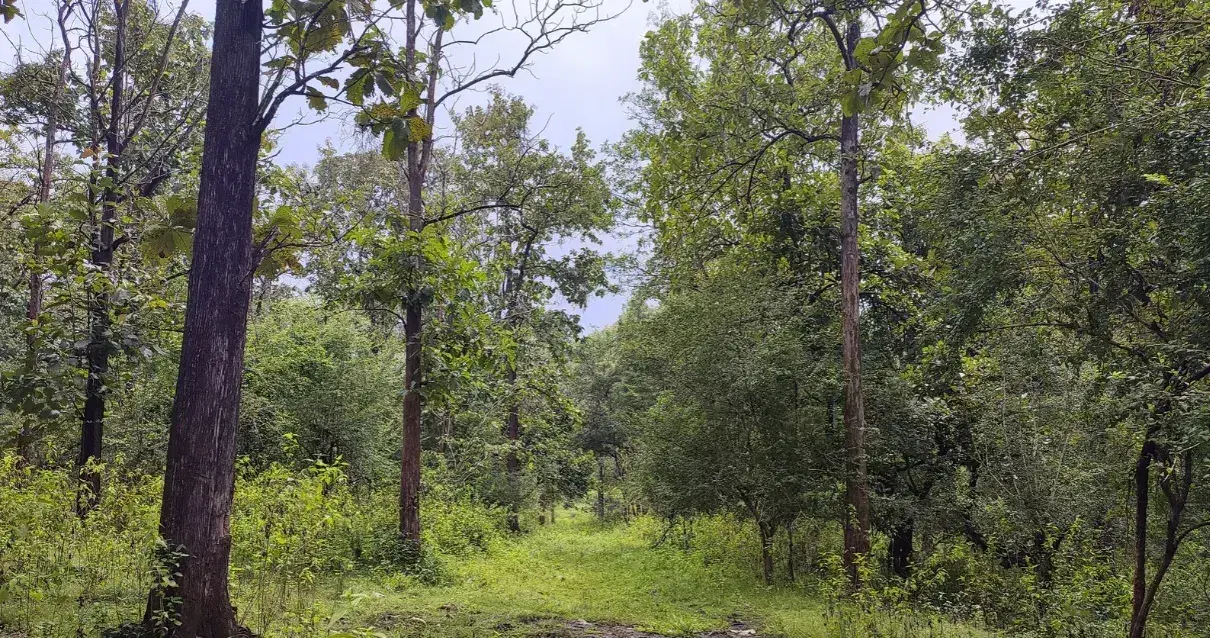
Large areas of Wayanad’s forests comprise monoculture plantations or degraded habitats invaded by exotic species. These landscapes are less resilient to climate change and offer inadequate forage for wildlife, increasing human-wildlife conflict. Their ecological restoration requires a greater diversity and supply of native plant species across the district’s three ecoregions.
SOLUTION
We established three nurseries that have raised over 80,000 saplings of 240 native tree and plant species to restore Wayanad’s forests.
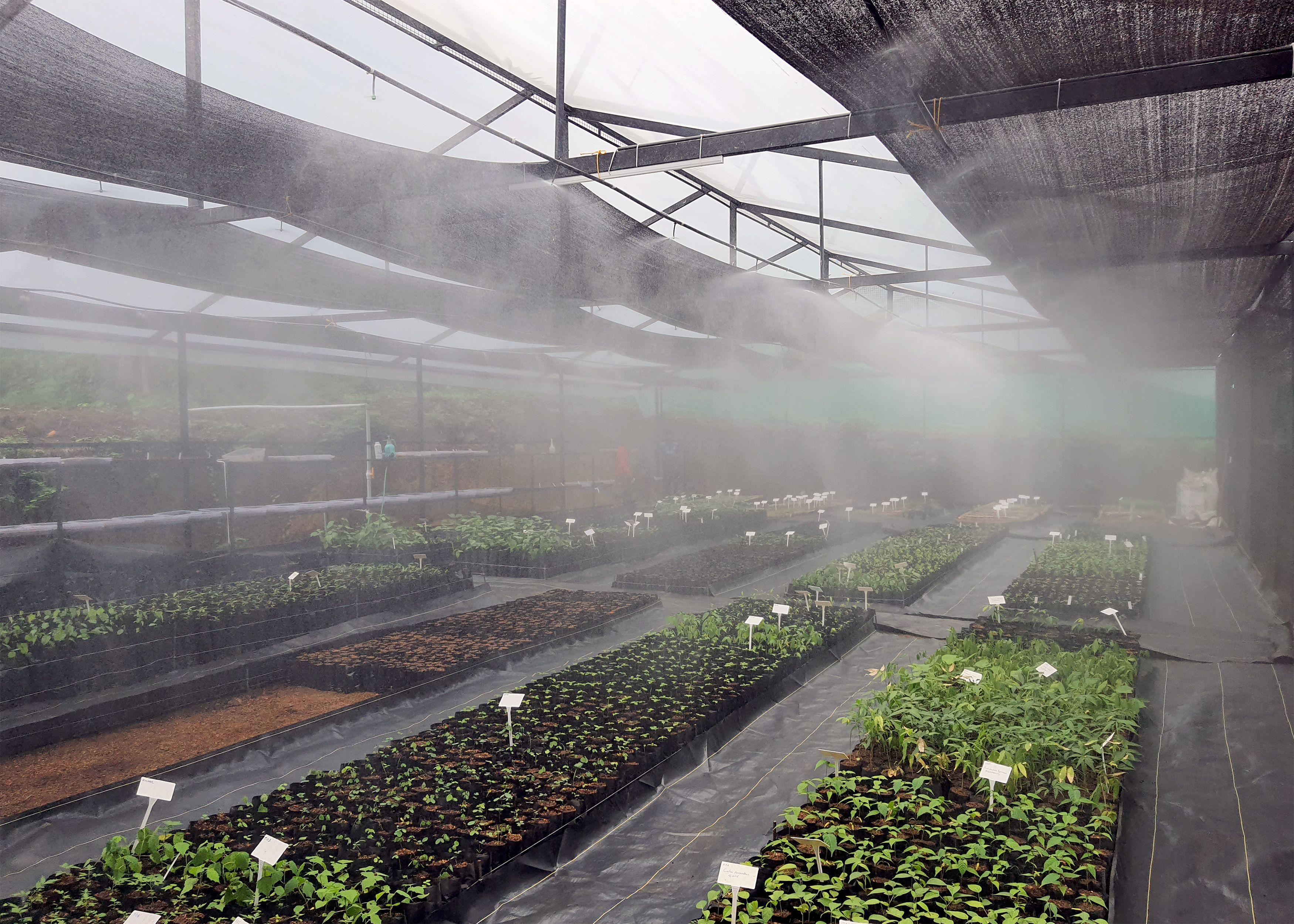
Large areas of forest land in Wayanad, Kerala, comprise monoculture plantations of exotic species or degraded native habitats invaded by non-native plants. These landscapes have reduced resilience to climate change and contribute to human-wildlife conflict due to inadequate natural forage. As these plantations are cleared for ecological restoration, a key challenge is the availability of sufficient regionally native plant species across the district’s three ecoregions: evergreen, semi-evergreen and moist deciduous forests.
THIS PROBLEM
Mesophotic reefs below 30–35 metres are critical ecosystems that may need protection, yet lie too deep for divers to survey.

While locals welcome tourism as it offers alternative livelihood opportunities, these small and fragile islands have a limited carrying capacity. Unchecked development could pose challenges related to sewage treatment, waste management, fresh water provision. This, in turn, could cause severe and irreparable ecological damage to the islands.
THAT SOLUTION
We customised a ROV with specialised payloads to explore and study these deeper, previously unreachable reef zones.

We partnered with a U.S.-based consultancy that worked out a Scoping-Discovery-Create structure for the islands' economical and ecological sustainable growth for high-quality tourism experience for both the locals and the tourists. This includes solutions in ecology restoration, energy generation, water management, low-impact construction and much more.
THIS PROBLEM
Hoolock gibbon conservation is constrained by inadequate survey and population estimation methods
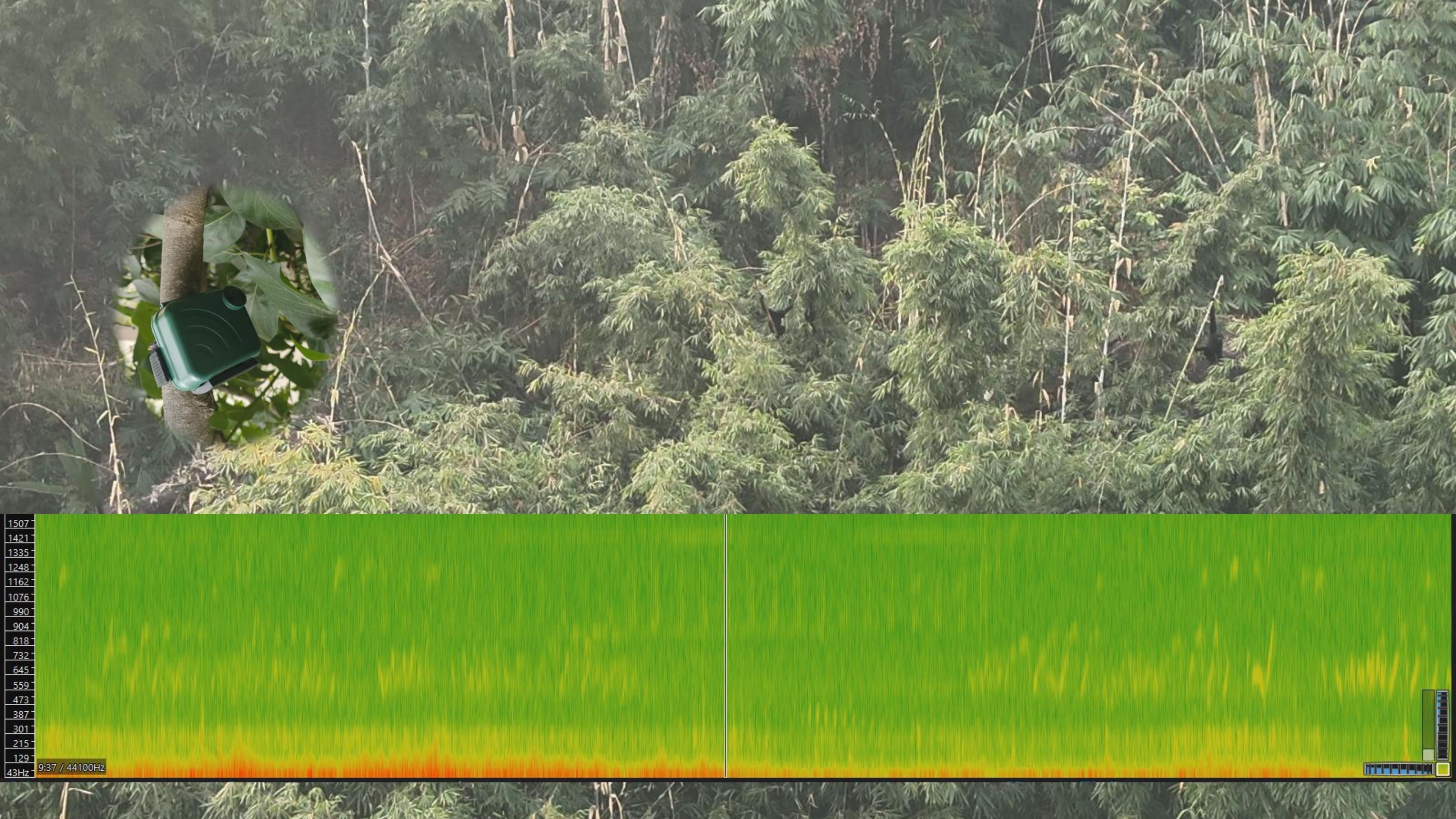
Estimating gibbon populations from their vocalisations requires identifying individual gibbons, but distinguishing unique vocal signatures between individuals remains challenging.
THAT SOLUTION
Advanced gibbon acoustic monitoring and vocalisation analysis through machine learning
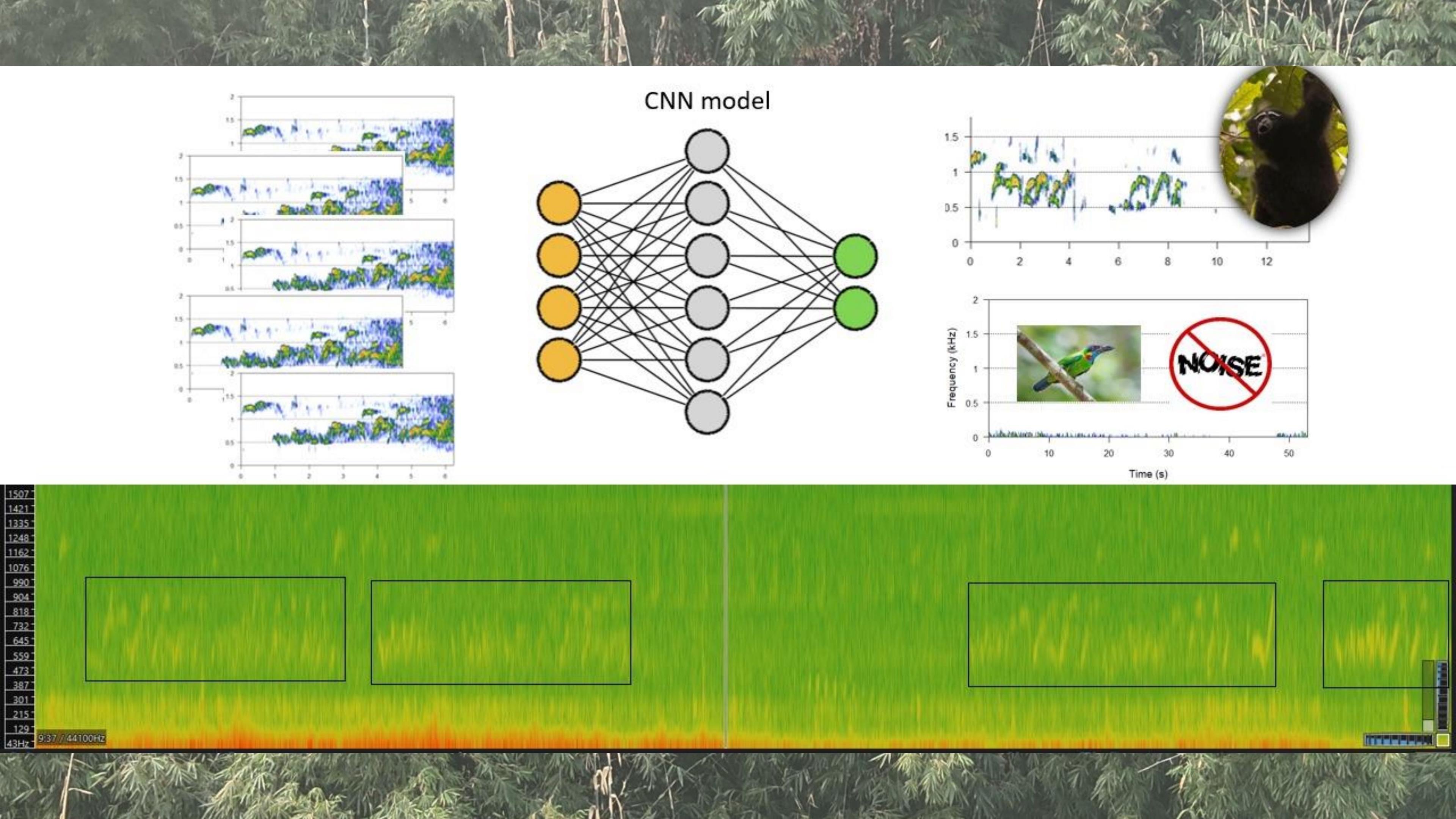
We developed a state-of-the-art acoustic individual identification workflow to quantify the distinctiveness of each gibbon’s vocalisations, supporting individual-level identification for population estimation.
PROBLEM
Bamboo planted for paper mills four decades ago has left Tadoba-Andhari Tiger Reserve degraded, with ageing trees and dense undergrowth.
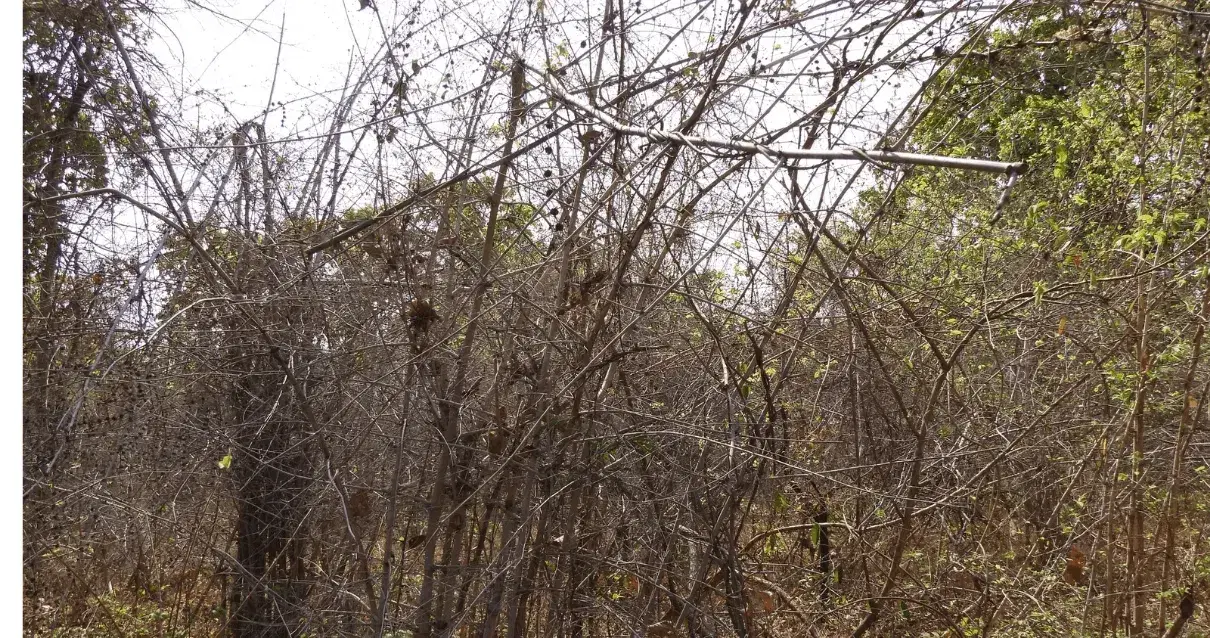
Past forest management practices in the Tadoba-Andhari Tiger Reserve (TATR), Maharashtra, involved large-scale artificial propagation of bamboo to supply adjacent paper industries. Over four decades, bamboo came to dominate several areas, restricting the regeneration of other native plant species and reducing the replacement of mature trees. This resulted in widespread habitat degradation, which became particularly evident following the bamboo flowering cycle in 2024. The resulting decline in native floral diversity has also affected the habitat conditions required by several dependent species. Recognising these challenges, the Forest Department has identified the need to restore degraded habitats and improve their ecological functionality.
SOLUTION
From a core-area nursery, 15,000 saplings of 52 native species are restoring about 100 hectares of degraded Kolsa forest.
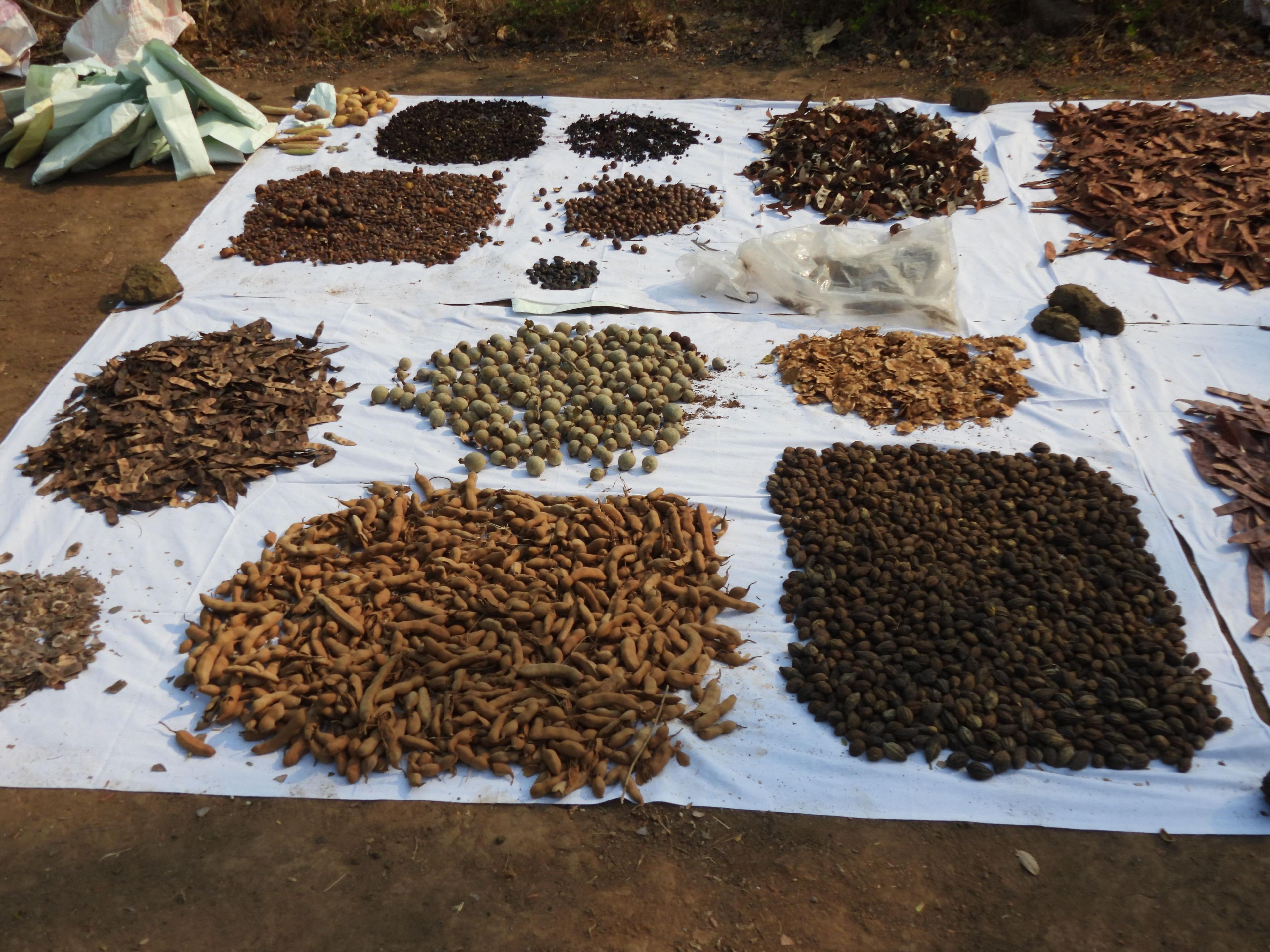
The Habitats Trust’s Eco-Restoration Programme, in partnership with the Tadoba-Andhari Tiger Reserve Conservation Foundation, has established a native plant nursery in the core area of TATR. Through this initiative, 15,000 saplings representing 52 regionally native tree species have been planted across approximately 100 hectares of degraded forest land in the Kolsa region. THT is also monitoring sapling survival and natural recruitment within restoration plots. The nursery is being further expanded to include native non-tree plant species, broadening the diversity of flora used in the restoration process.

#FROMTHEFIELD

26 NOV 2025
IN THE LAND OF THE GIANTS.
The Habitats Trust
The afternoon sun shone gently on the rolling steps of the tea estate. The employees of the estate picked tea leaves, their wrists performing deft, firm twists to pluck the leaves…
04 APR 2026
Grasslands Need Protection - Now.
Santhosh Pavagada
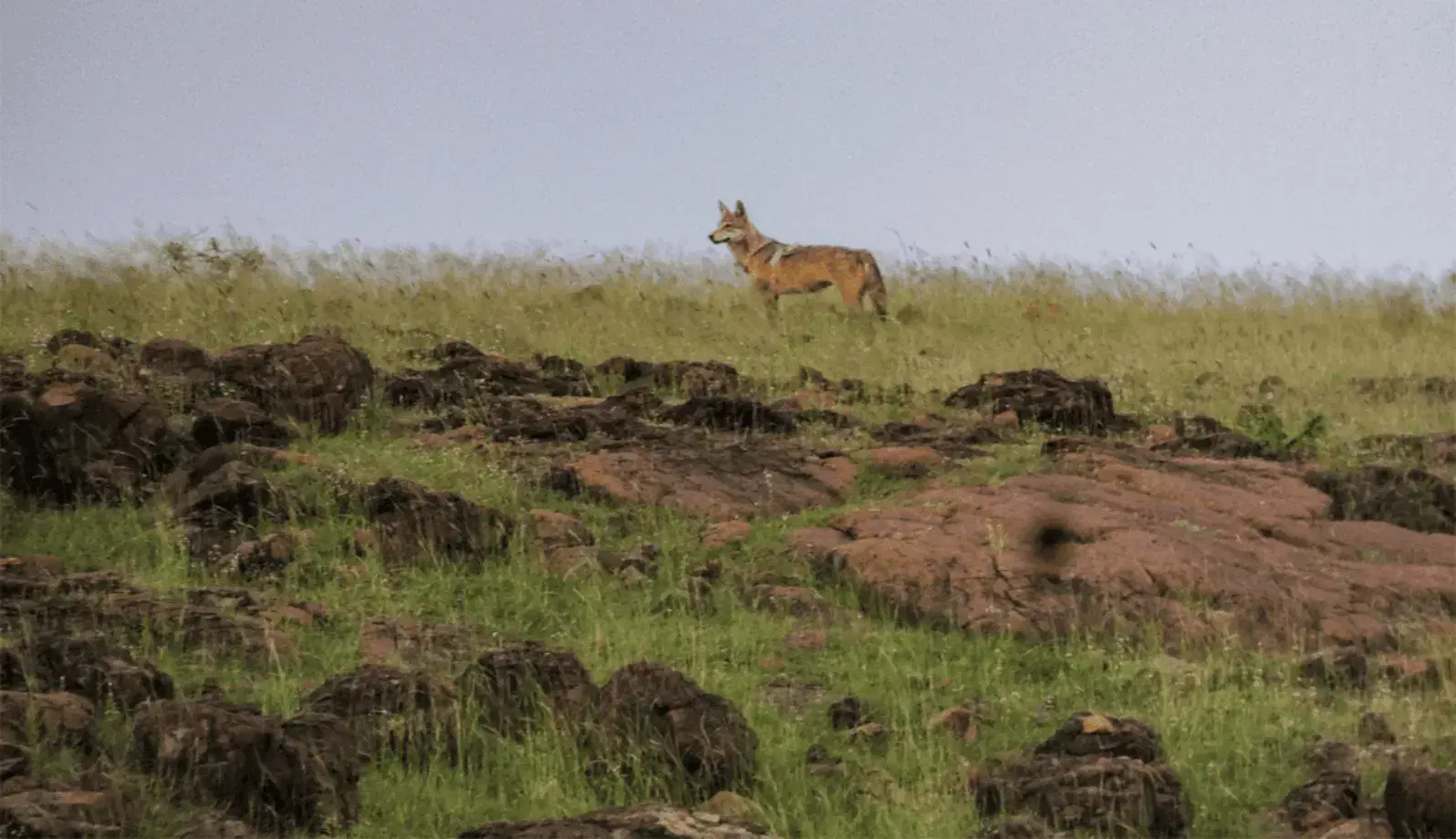
I watched a lone striped hyena burst onto the wide, roaring Pune-Nashik highway, its gait uncertain, almost bewildered, as it tried to cross back into the other half of its…
12 NOV 2025
Eastern Vidarbha: A Tryst With Destiny.
Rushikesh Chavan
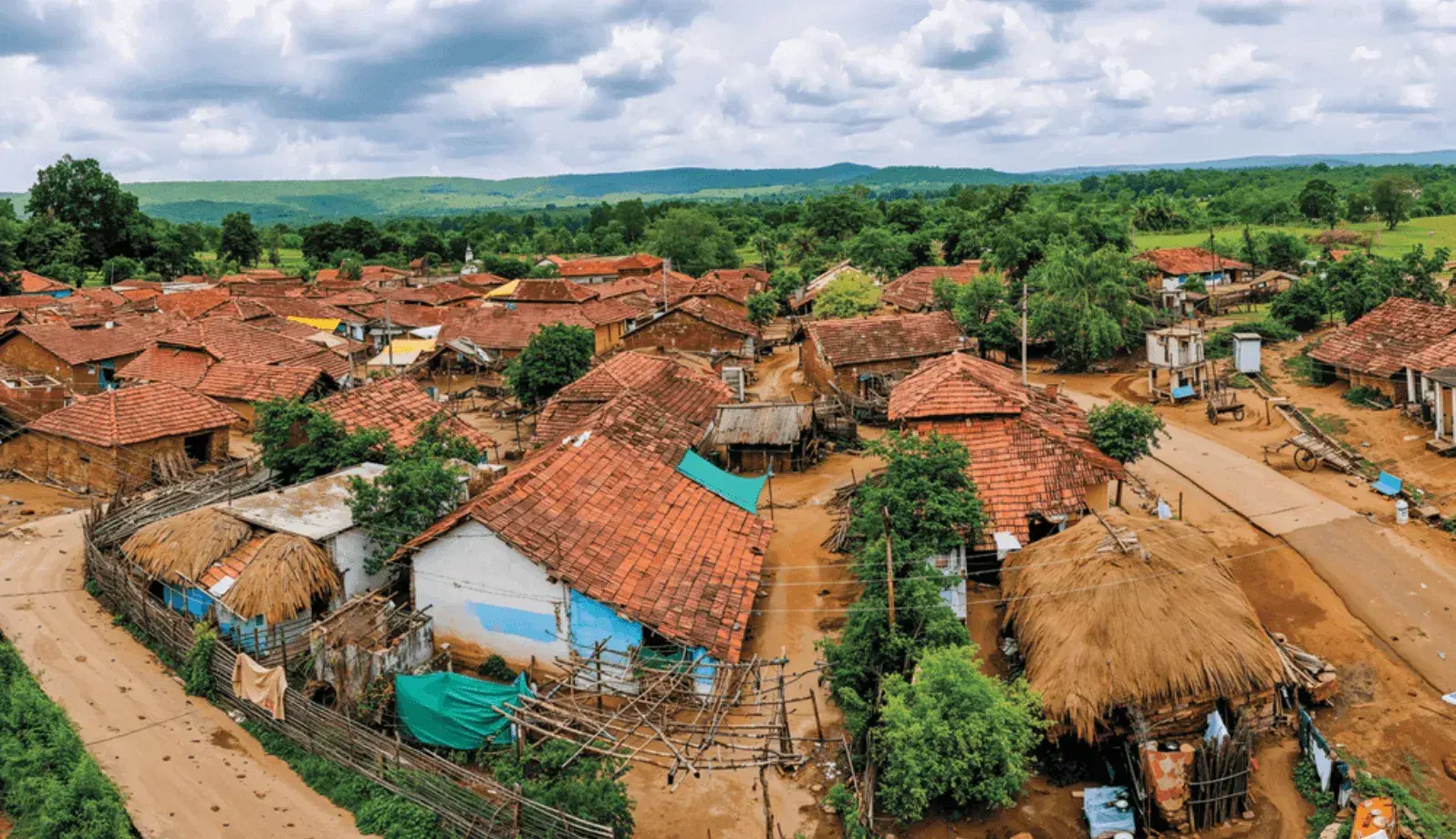
In the heart of Maharashtra, where dry teak forests meet shimmering wetlands, a quiet revolution is taking shape. It’s not powered by factories or glass towers, but by bamboo…