CONSERVATION GRANT RECIPIENTS

Arulagam

Tamil Nadu

 RHV_Prof.Dr.Raguram
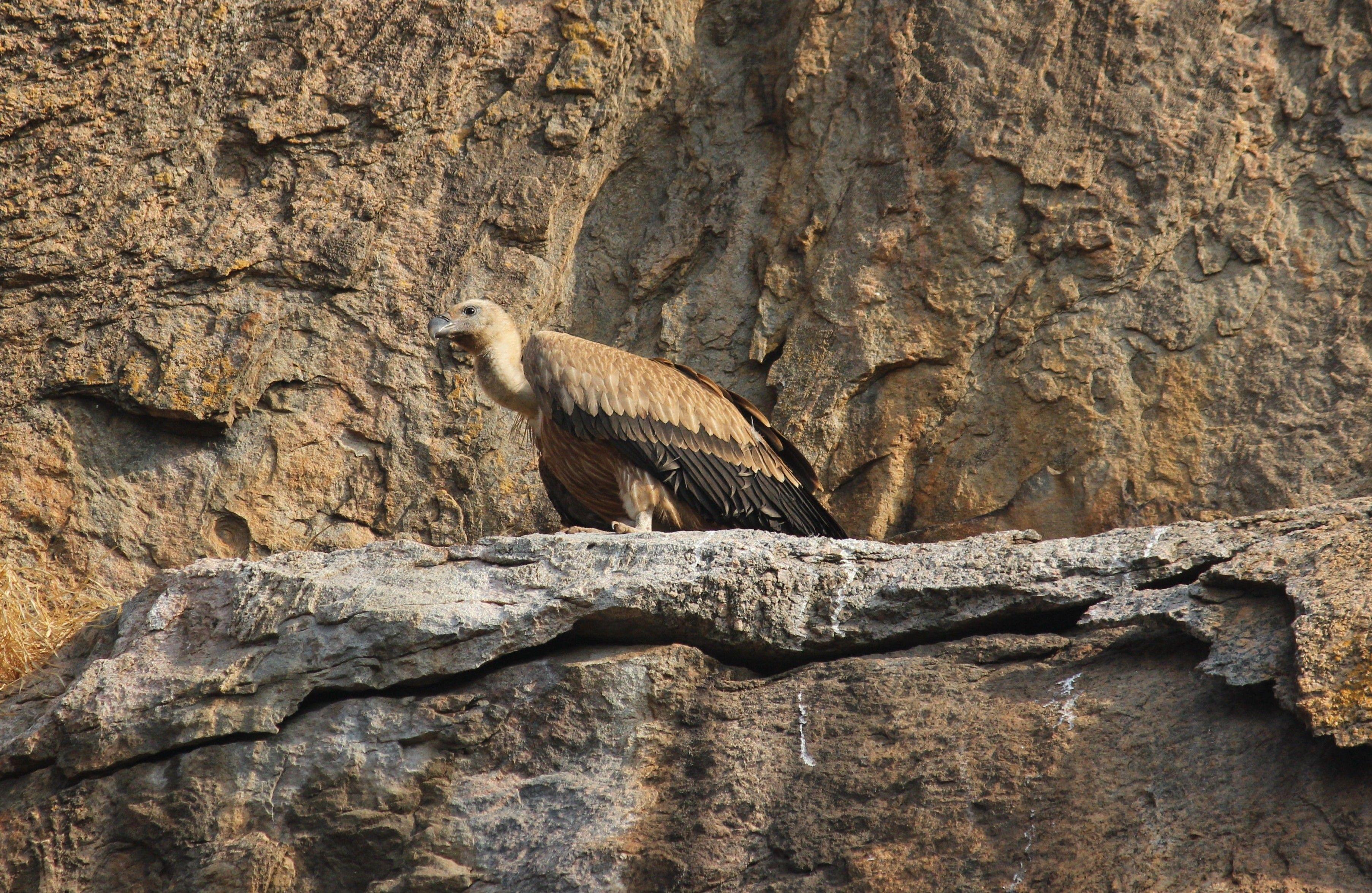
Indian_Longbilled_vulture_Sasi
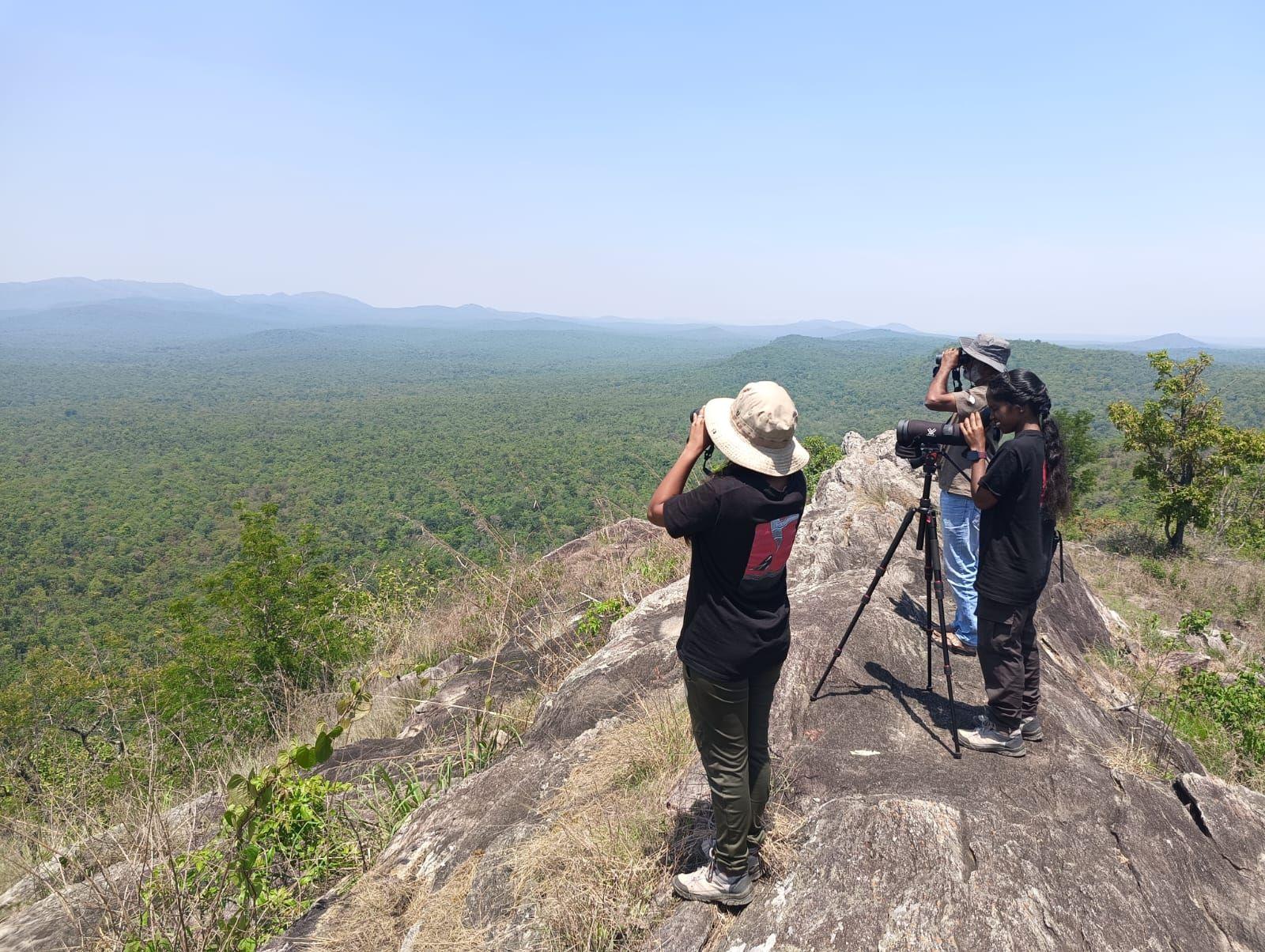
Vulture_monitoring_from_Theenparai_vantage_point
Arulagam

Arulagam

One Health Approach for Conserving Critically Endangered Vultures and Hyena in Nilgiri Biosphere Reserve, Tamil Nadu

PROJECT SUMMARY

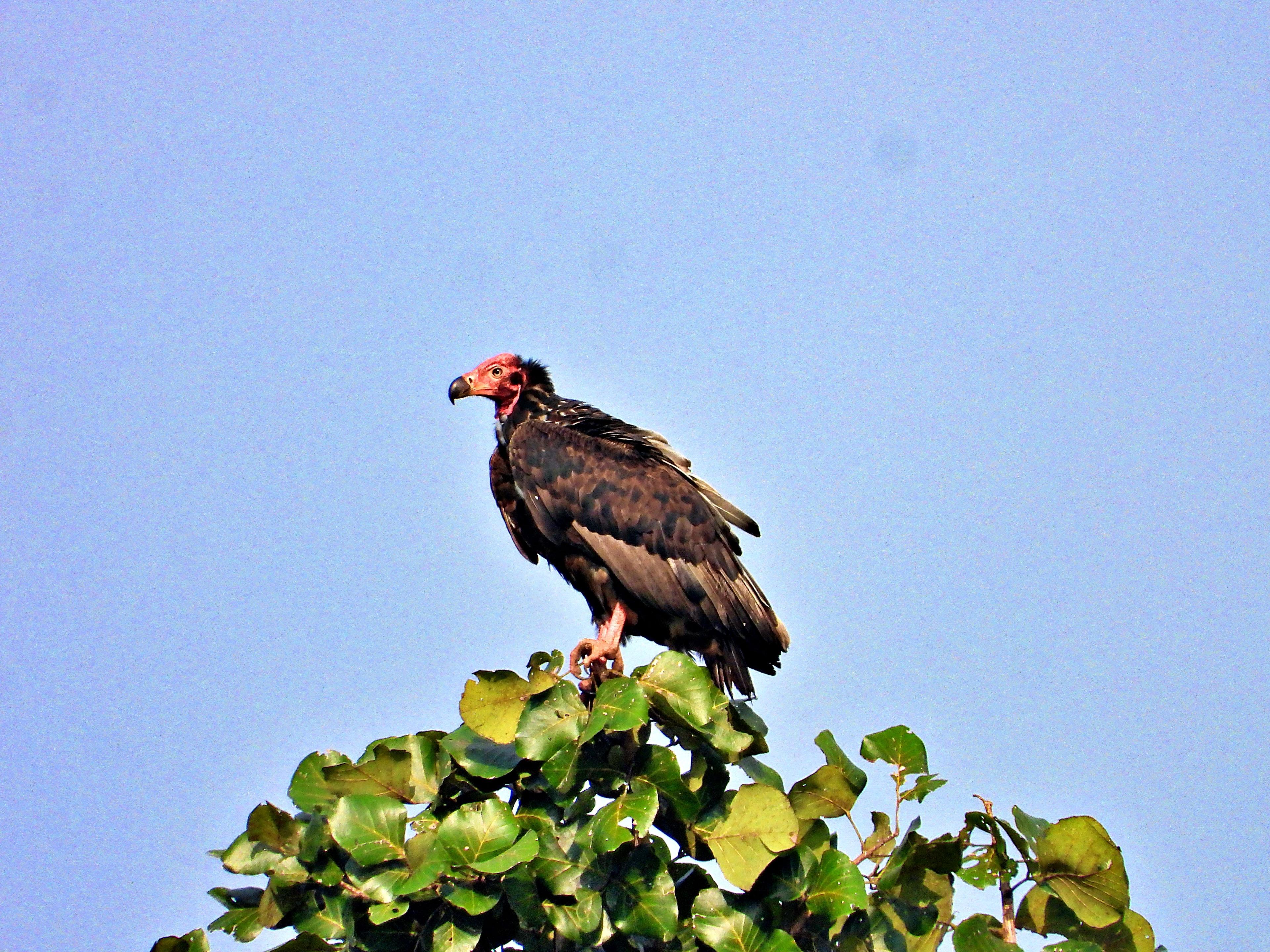
The Nilgiri-Moyar landscape in Tamil Nadu represents supports viable populations of three Critically Endangered vulture species - the White-rumped Vulture, Long-billed Vulture, and Red-headed Vulture, alongside the Endangered Striped Hyena, which together serve as apex sanitary workers and obligate scavengers. However, this ecosystem faces a complex crisis at the intersection of environmental, animal, and human health. The decline of vultures has created an ecological void, leading to a surge in feral dog populations that are now competing with, and leading to the physical displacement of vultures. This has led to a heightened risk of zoonotic disease transmission to both people and wildlife alike. Vultures also face severe mortality risks from the use of toxic Non-Steroidal Anti-Inflammatory Drugs (NSAIDs) in the veterinary market, as well as retaliatory carcass poisoning by marginalised farmers trying to protect their livestock from predators.

Building on twelve years of experience, this project aims to secure a functional Vulture Safe Zone by addressing interconnected threats. Key interventions include mitigating toxic NSAID’s usage, preventing retaliatory carcass poisoning, and managing the risk of zoonotic disease spread through anti-rabies vaccination and advocacy for Animal Birth Control. By involving indigenous communities as primary health and One Health Guardians, the project will bridge the gap between grassroots action and institutional policy. This integrated model not only protects three flagship species from extinction, but also restores the natural carcass-disposal system, ensuring a safer, healthier environment for both wildlife and people.

OBJECTIVES

  • Eliminate toxic NSAID infiltration through biannual pharmacy audits and carcass tissue sampling in 150 domestic carcass to ensure 95% carcass safety across the landscape.

  • Reduce the "dog menace" and rabies risk by implementing Dog Population Management (DPM) in 10 fringe villages while training 10 Indigenous "One Health Guardians" for community-led vulture and livestock health surveillance.

  • Continuous long term monitoring of vultures and Leverage evidence-based data to support the Tamil Nadu Forest Department in formalizing and managing the Moyar–Nilgiri landscape as a legally recognized, functional Vulture Safe Zone.
Srishti Manipal Institute of Art Design and Technology

Karnataka

DSCN_1386_fab4363c8c.JPG
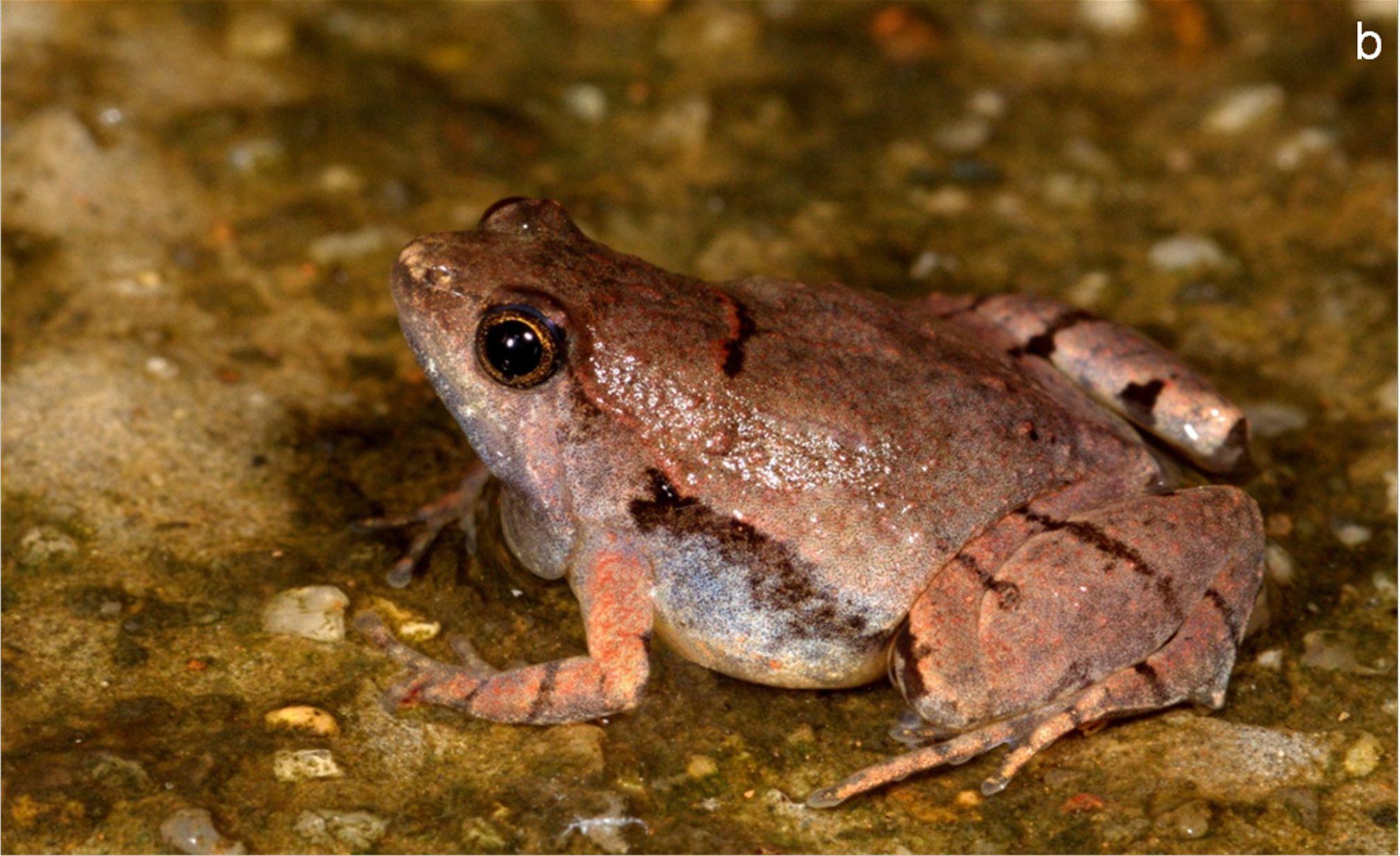
M_niluvasei_Gururaja_KV
Srishti Manipal Institute of Art Design and Technology

Srishti Manipal Institute of Art Design and Technology

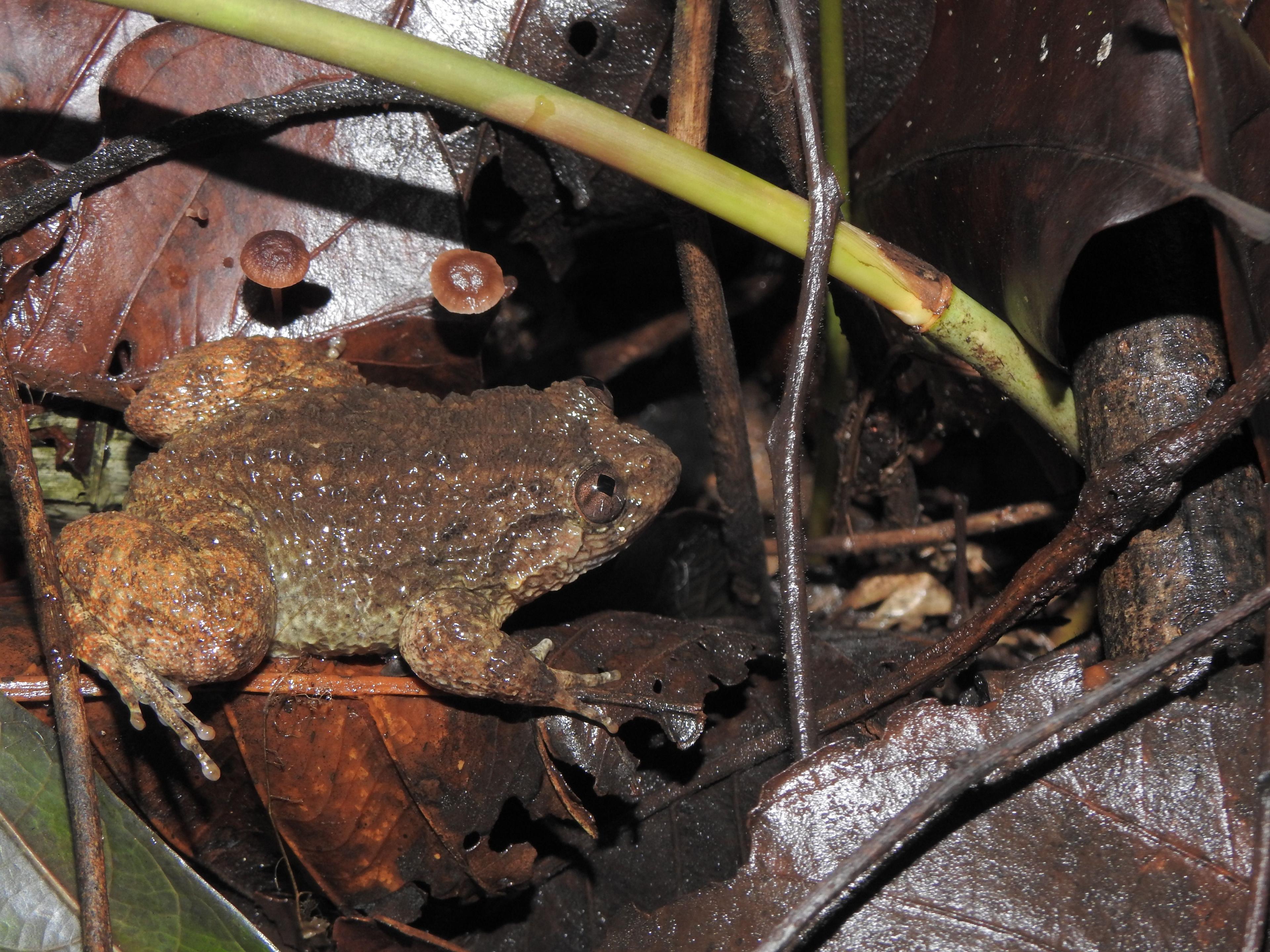
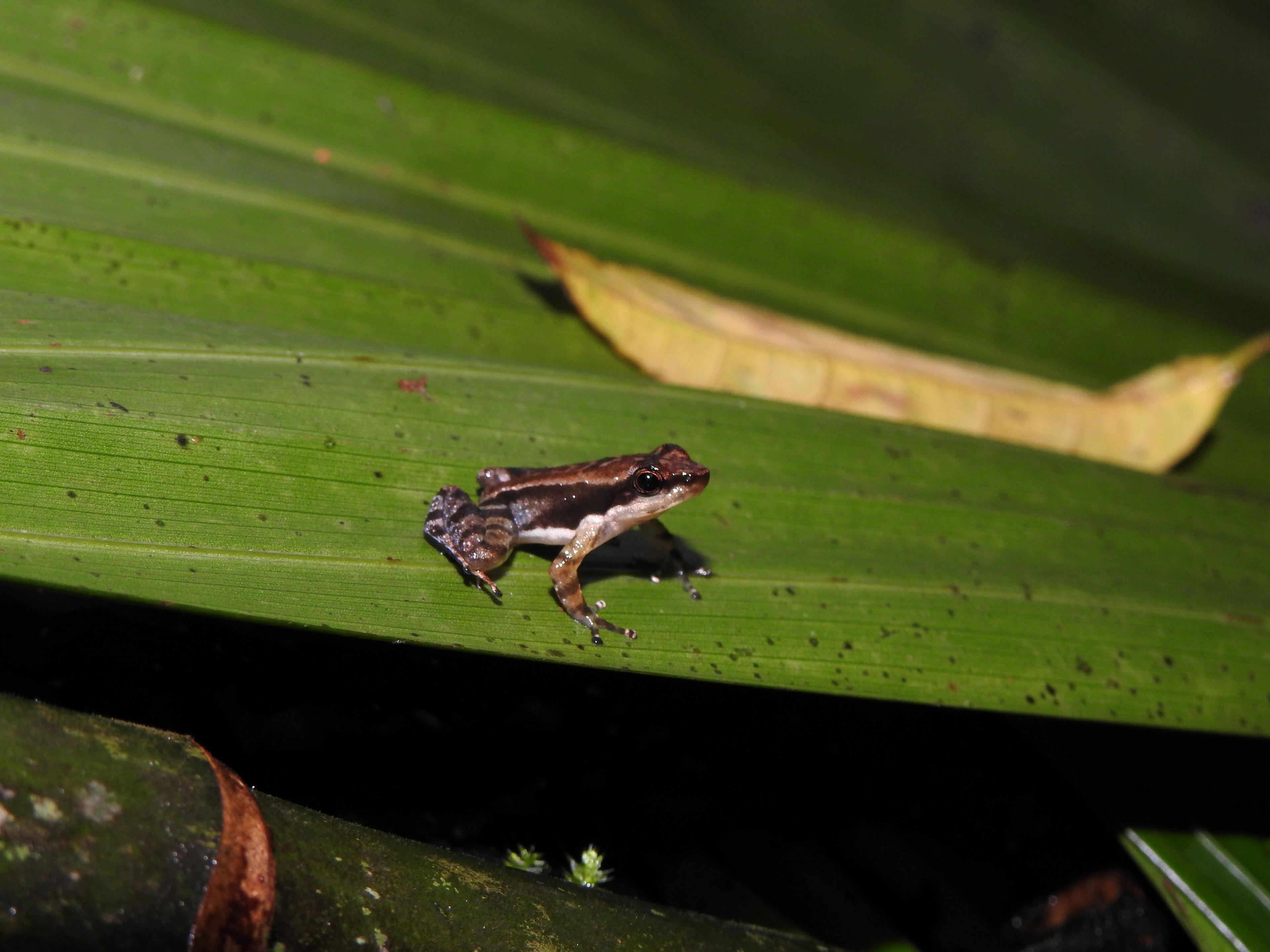
Croak, Coexist, and Conserve: Conservation of Threatened Amphibians in Human-Shaped Landscapes of River Catchments With Community Participation in Western Ghats

PROJECT SUMMARY

India holds 5% of global amphibian diversity, of which about 200 of the 475 species are threatened. The Western Ghats, a global biodiversity hotspot, harbors 252 amphibian species with over 80% endemic species. A significant portion of this landscape lies outside formal protected areas, existing as private agroforests (coffee, tea, areca, coconut, and paddy) interspersed with sacred groves and village forests. While these human-shaped landscapes support viable amphibian populations, they face severe threats from habitat fragmentation, pesticide use, agricultural intensification, and linear infrastructure development.

This project aims to conserve threatened amphibian species and protect over 100 square kilometres of vital habitats across human-dominated landscapes in the Western Ghats of Karnataka. It will bridge a critical conservation gap by involving local communities and private landowners as active conservation stakeholders. Using non-invasive monitoring tools, including Passive Acoustic Monitoring devices, water analysis kits, and citizen-science mobile apps, the project will monitor species and their habitats. With local landowners and community groups, they will also establish 'Batrachariums' – serving as designated, community-monitored safe zones for amphibians, in private agroforests. As an outcome, this will protect the habitats of 10 endangered amphibian species, build a trained network of local citizen scientists, and develop a comprehensive in-situ amphibian conservation action plan for the region.


OBJECTIVES

  • Eliminate toxic NSAID infiltration through biannual pharmacy audits and carcass tissue sampling in 150 domestic carcass to ensure 95% carcass safety across the landscape.
  • Reduce the "dog menace" and rabies risk by implementing Dog Population Management (DPM) in 10 fringe villages while training 10 Indigenous "One Health Guardians" for community-led vulture and livestock health surveillance.
  • Continuous long term monitoring of vultures and Leverage evidence-based data to support the Tamil Nadu Forest Department in formalizing and managing the Moyar–Nilgiri landscape as a legally recognized, functional Vulture Safe Zone.
Other Grants Recipients