ACTION GRANT / SERVICE PROJECT RECIPIENTS

Devvrat Singh

Uttar Pradesh

Portrait of an Indian wolf
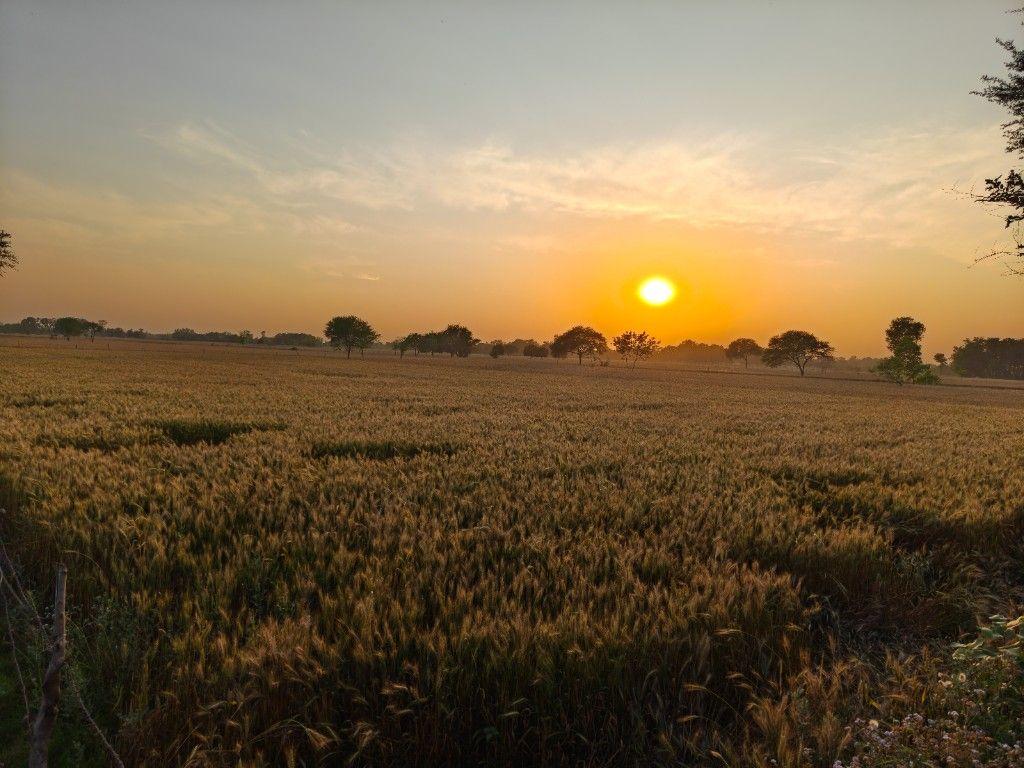
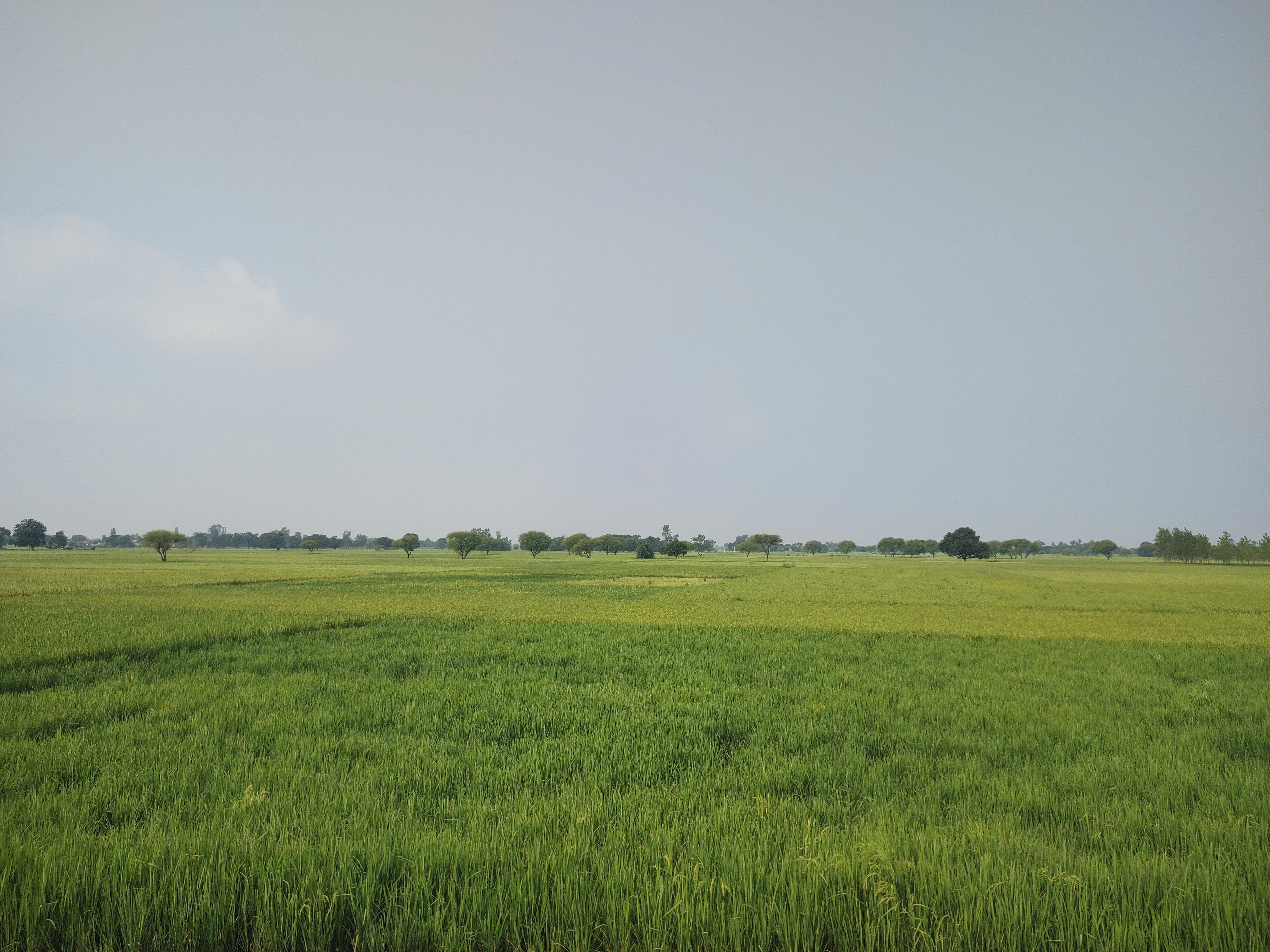
A wheat field at sunset in Bahraich
Devvrat Singh

Devvrat Singh

Evidence-Based, Community-Led Conservation of the Indian Wolf in Bahraich’s Intense Human–Wolf Conflict Landscapes: Strengthening Oecm Approaches

PROJECT SUMMARY

The Indian wolf is facing an acute survival crisis in the multi-use agricultural landscapes of Bahraich, Uttar Pradesh, where it lives almost entirely outside protected forests. These wolves share a highly populated mosaic of sugarcane fields, pastures, and floodplains with local communities, with spatial overlap and direct encounters being incredibly high. Recent tragic human fatalities caused by wolves have sparked widespread fear, panic, and retaliatory persecution, putting this vulnerable population at immediate risk of local extinction. Current interventions are largely reactive and focused on short-term conflict control, which fails to address why these encounters happen or how to protect both human lives and the wolf population.

To address this crisis, the project will generate evidence-led, on-ground conservation actions by integrating wolf ecology and behaviour with community engagement. Wolf presence will be documented using drone and sign surveys, camera trapping, participatory approaches, and remote-sensing to identify conflict-prone areas. Detailed documentation of human–wolf conflict incidents will be undertaken to understand ecological, behavioural, and land-use factors associated with escalation. A stakeholder-participation-based programme will focus on community awareness and integrating community, administration, and governance, for wolf conservation. Community members will be trained in basic wolf monitoring and outreach, laying the foundation for a long-term community-based wolf conservation programme. The project will also assess the feasibility of managing parts of this multi-use landscape as potential Other Effective Area-based Conservation Measures (OECMs), providing evidence for a pathway for conserving large carnivores beyond protected areas.

OBJECTIVES

  • Document Indian wolf presence, movement, and conflict hotspots in a high-conflict multi-use landscape.

  • Systematically document human–wolf conflict incidents to identify ecological, behavioural, and land-use risk factors.

  • Use the ecological insights of conflict dynamics to engage and build capacity among local communities through awareness programmes.

  • Training local people in basic wolf monitoring, conflict mitigation, and conservation outreach.

  • Assess the feasibility of managing the landscape as Other Effective Area-based Conservation Measures (OECMs) to support long-term coexistence and conservation outcomes, by involving administration, governance, and local communities.
Nagpur Centre for Peoples Social Forum

Maharashtra

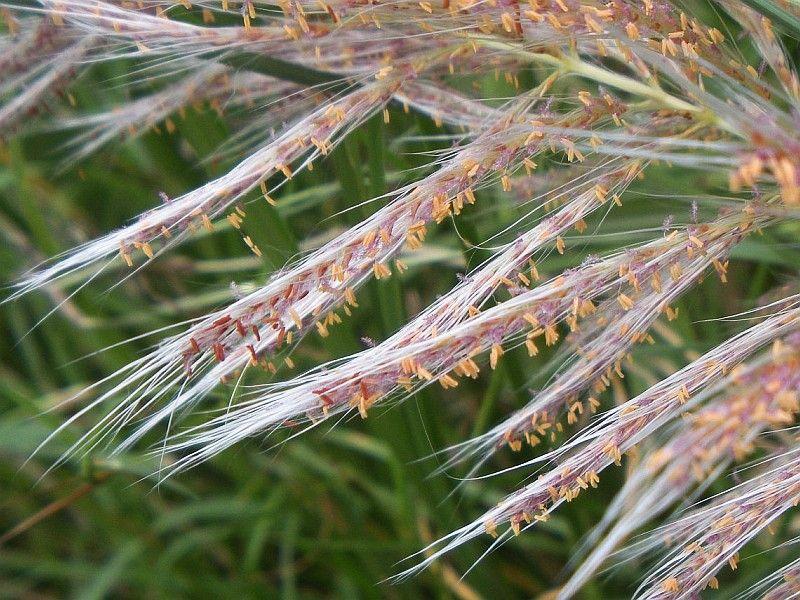
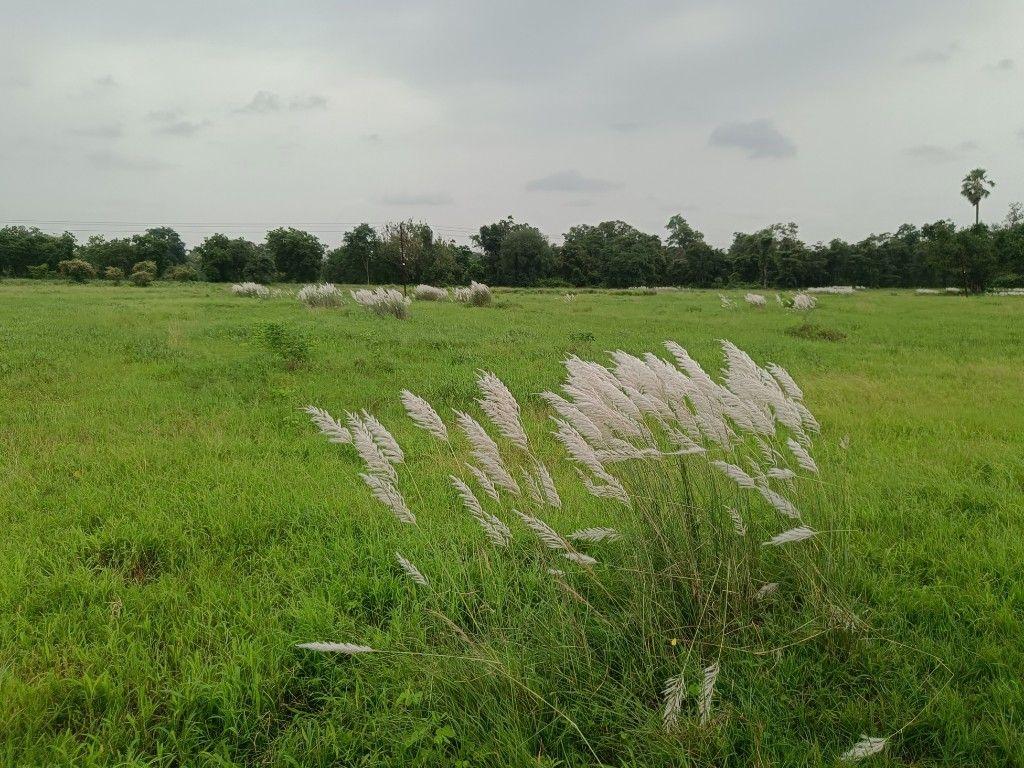
White flowering grass in a Vidarbha grassland
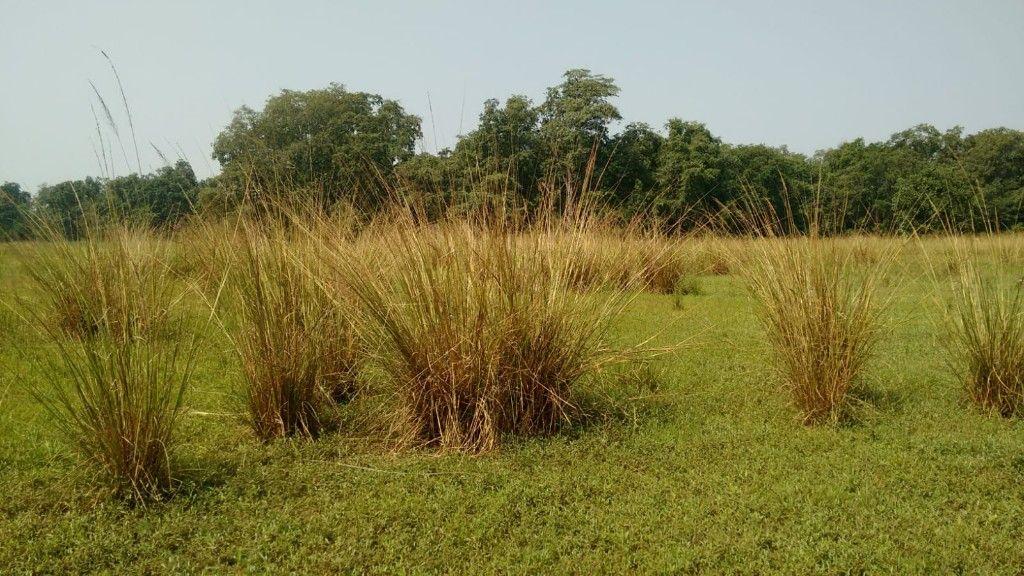
Clumps of tall grass in an open meadow
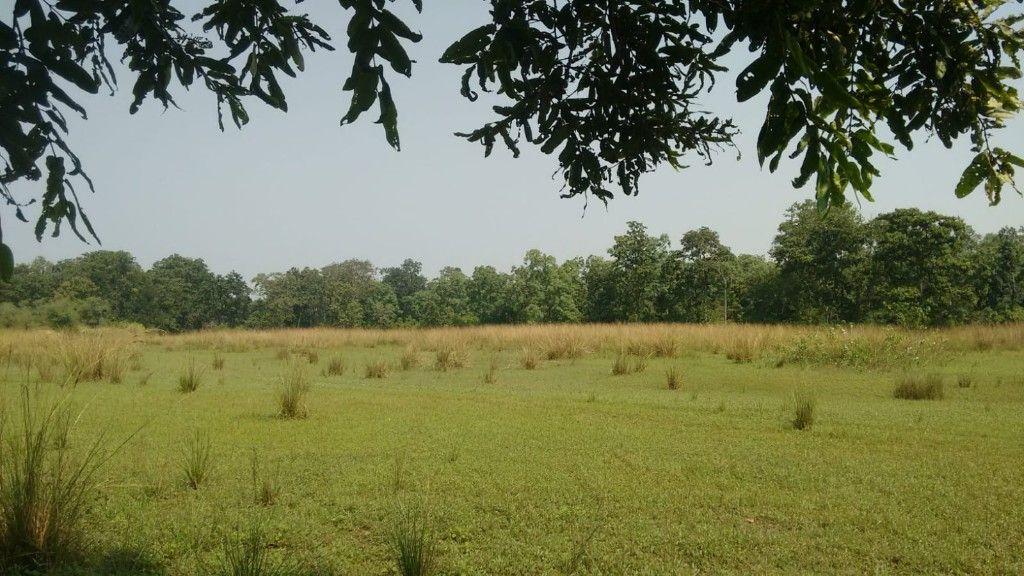
An open grassland bordered by trees
Nagpur Centre for Peoples Social Forum

Nagpur Centre for Peoples Social Forum

Community-Led Grassland Conservation and Fodder Security Around the Two Protected Areas of Vidarbha

PROJECT SUMMARY

Grasslands in the Wardha and Yavatmal districts of eastern Vidarbha in Maharashtra are incredibly important buffer zones around protected forests, supporting local wildlife and providing vital fodder for traditional pastoral communities. However, these ecosystems are in severe danger because they are frequently misclassified as "wastelands" and are being lost to rapid land-use changes, non-native tree plantations, and the closing off of common grazing lands. As native, palatable grasses decline, local villages face a major fodder shortage. This forces their livestock to graze deeper inside the protected forests, which degrades wildlife habitats and threatens the survival of open-country species like the vulnerable Indian gray wolf and endangered dhole.

To address this, this project will move from research to direct, on-the-ground action by establishing community-led grassland restoration around these protected forest edges. Working directly with local pastoralists, the team will restore degraded common and fallow lands by planting native, nutritious grass species like Pavnya and Marvel. They will also strengthen village institutions, such as Biodiversity Management Committees and breeders' groups, to help them set their own grazing rules and seasonal protection periods. Ultimately, this project will improve grassland health, secure a reliable local fodder supply to save villages money, and successfully reduce livestock pressure inside protected forests so that people and wildlife can safely coexist.

OBJECTIVES

  • Conserve and restore native grassland habitats in Wardha and Yavatmal districts of Vidarbha, especially around protected areas.

  • Regenerate native and palatable grass species, improve fodder availability, and reduce pressure on nearby forest habitats.

  • Strengthen community institutions for sustainable grassland management and grazing regulation.

  • Integrate traditional ecological knowledge with basic scientific monitoring to guide long-term conservation and demonstrate a community-led model for grassland conservation in human-dominated landscapes.

Other Grants Recipients