CASE STUDY #05

WAYANAD NATIVE NURSERY PROJECT, KERALA

KERALA
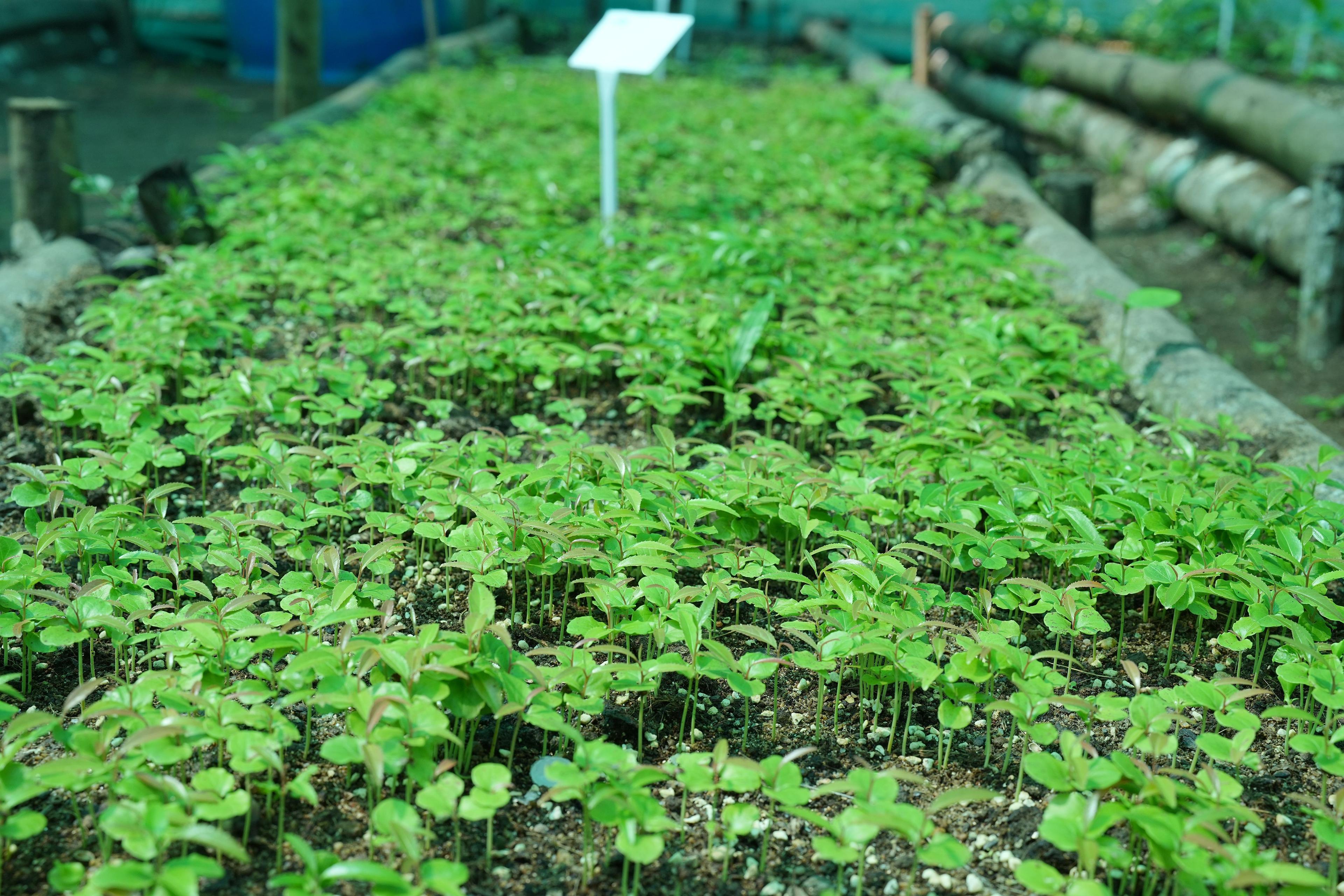
Young native plant seedlings growing in organised nursery beds at the Wayanad native nursery.
WAYANAD NATIVE NURSERY PROJECT, KERALA
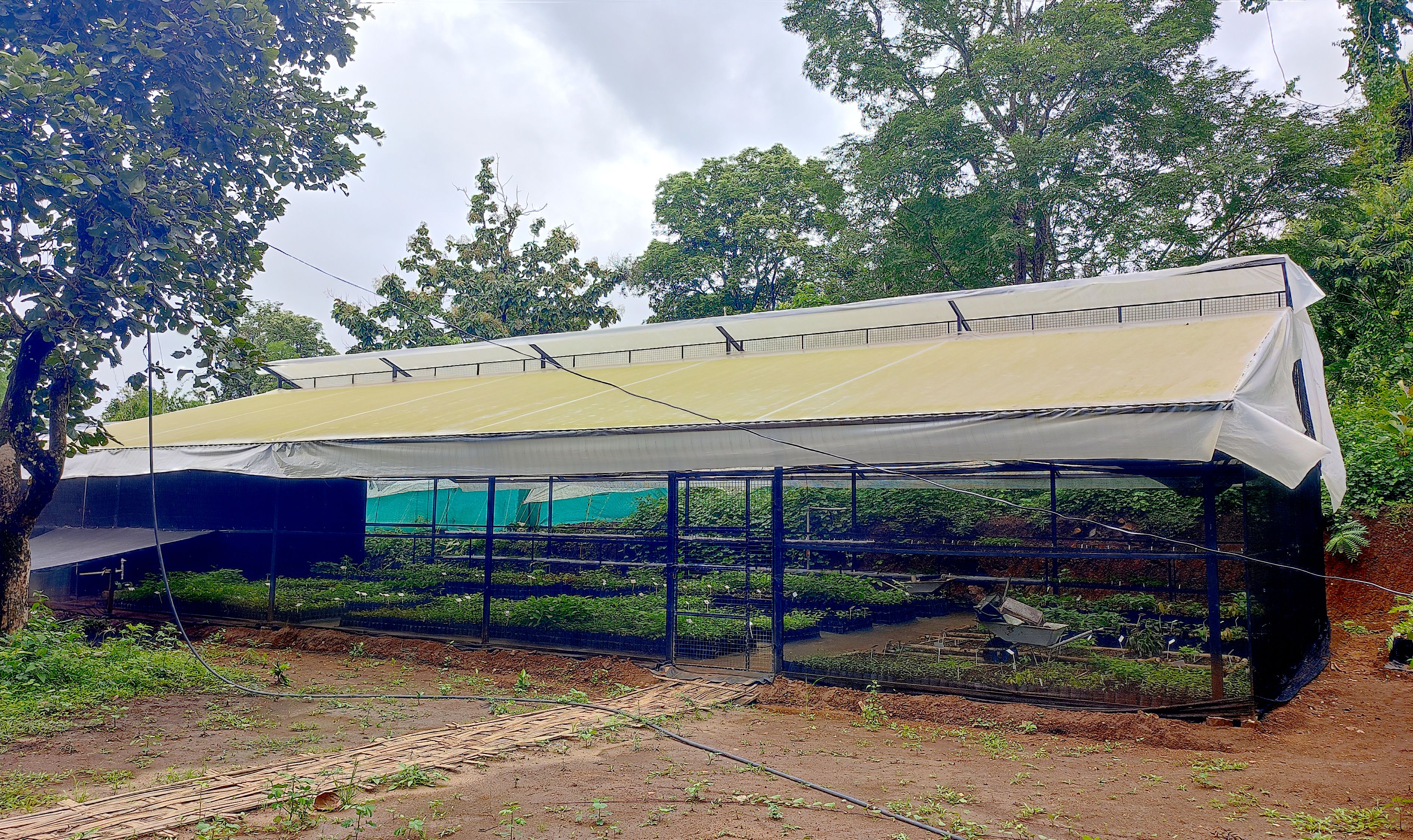
Exterior view of a shade-house nursery used for growing native plant saplings in Wayanad, Kerala.
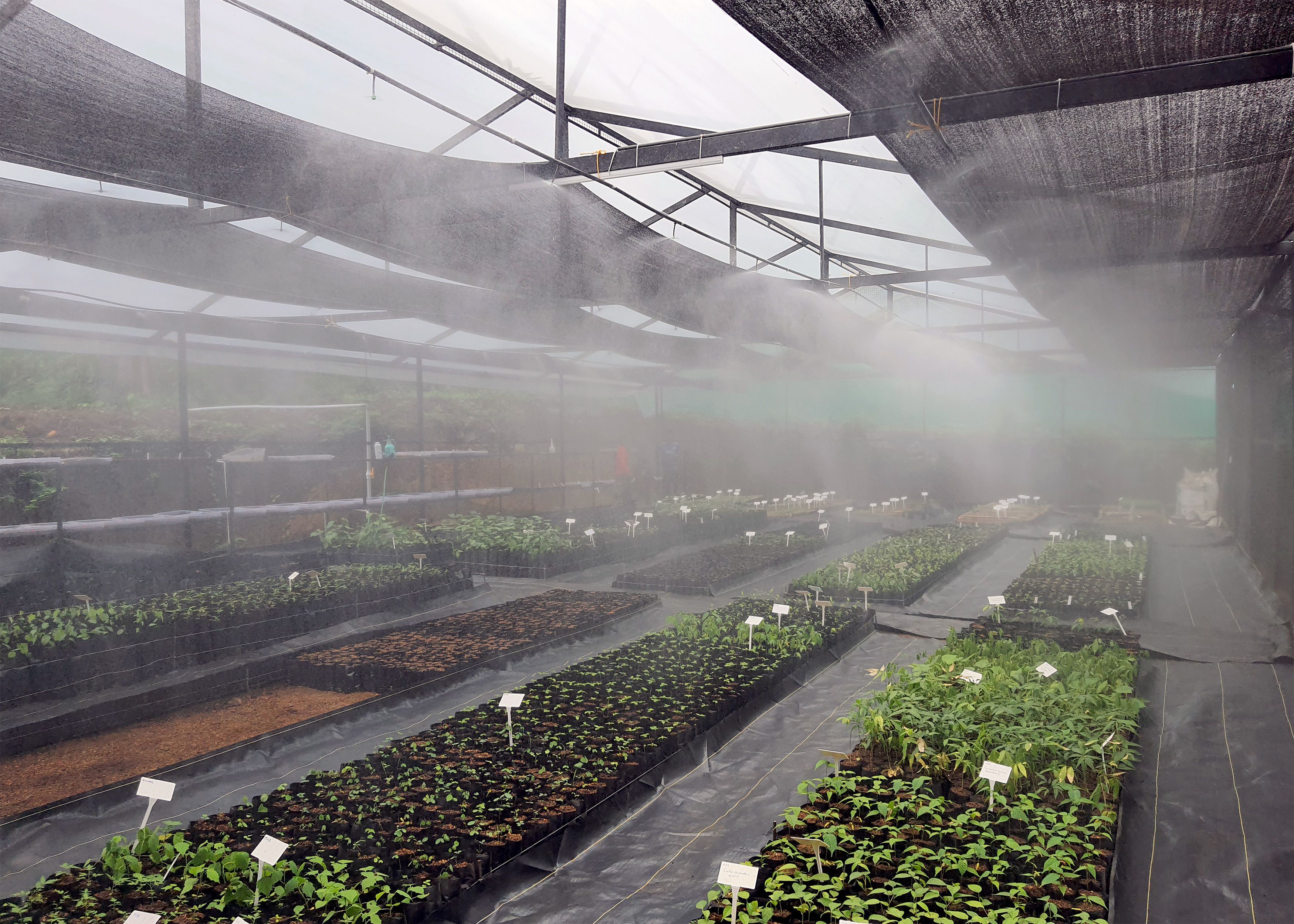
Rows of native plant saplings growing inside a shaded nursery with mist irrigation facilities.

ESTABLISHING NATIVE FLORA NURSERIES TO FACILITATE RESTORATION OF HABITATS IN FORMER FOREST DEPARTMENT MONOCULTURE PLANTATIONS IN WAYANAD, KERALA

Many protected areas in India are paper parks, which means although protected, most of the historical biodiversity in these parks are missing due to a history of short-sighted and economically motivated management. In Wayanad we find that Acacia, teak, Eucalyptus, and Senna plantations have replaced large tracts of native ecosystems contributing to an increasing level of degradation and conflict with wildlife. It is important to replace these plantation areas with regionally appropriate biodiverse native ecosystems. The forest department has recognized this and has engaged our local partner, an NGO called FERNS, to implement the same. To establish native plant nurseries that represent regional floristic diversity across the evergreen, semi-evergreen and moist-deciduous ecoregions of Wayanad district of Kerala to cater to the restoration demands of the state forest department.

OBJECTIVES

  • To modify the working plans of the state Forest Dept to include site-specific plans for the eco-restoration of plantation areas.
  • To establish three native plant nurseries in different locations representing the regional tree diversity of Wayanad. To aim at 250 woody species for 2026, and expand to 423 by 2028.
  • To grow appropriate numbers of each of the 250-plus woody species so as to cater to the immediate and long-term restoration demands of the state forest department as it restores plantation areas back to native ecosystems. The immediate need includes saplings for multiple restoration sites across Begur and Peria ranges covering more than 200 ha of plantation area.
  • To conduct regular seasonal surveys to establish both biodiversity baselines at restoration sites and biodiversity benchmarks at reference sites. This will guide our intervention at restoration sites.

KEY COLLABORATIONS

FERNS Naturalists Society

REGION

Tropical Wet Evergreen, Semi-evergreen and Moist Deciduous Habitats of Wayanad District, Kerala.

HIGHLIGHTS

Coordinated with project-partner and state forest department to modify their working plans to include site-specific plans for the eco-restoration of more than 200 ha of plantation area, along with allocating land, constructing and beginning operations at 3 fully functional native plant nurseries. Additionally, seasonal surveys have begun to establish baselines and benchmarks for the different restoration sites. Seeds for 240 species of plants have been collected of which 165 species have been germinated.

Read More Case Studies