SONICWILD: A SOUND SOURCE LOCALISATION AND TRACKING TOOLKIT
LOCATION AGNOSTIC
RECORDING ANIMAL SOUNDS AND SOUNDSCAPES IS BECOMING CENTRAL TO UNDERSTANDING BIODIVERSITY AND ITS CHANGES.
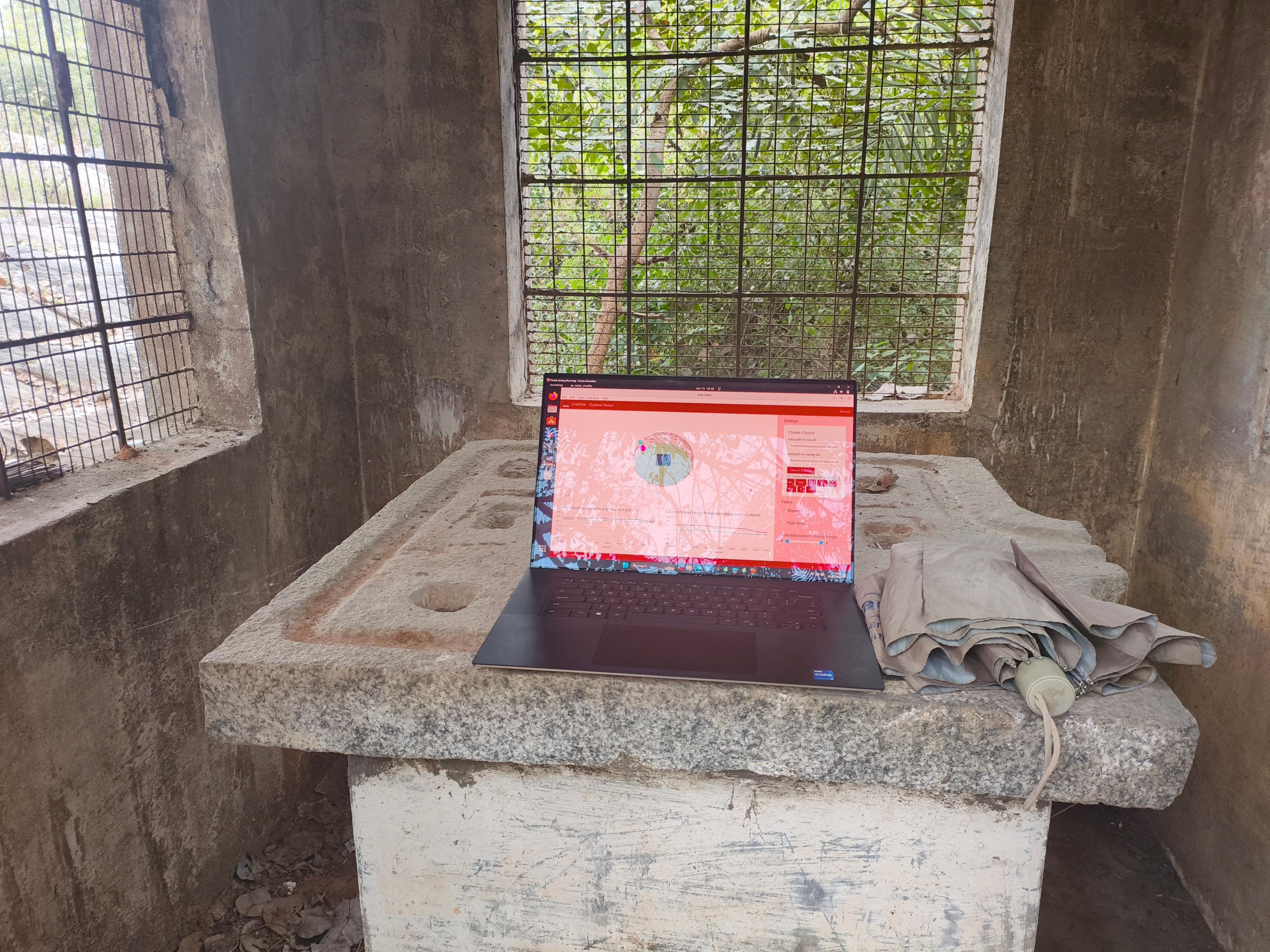
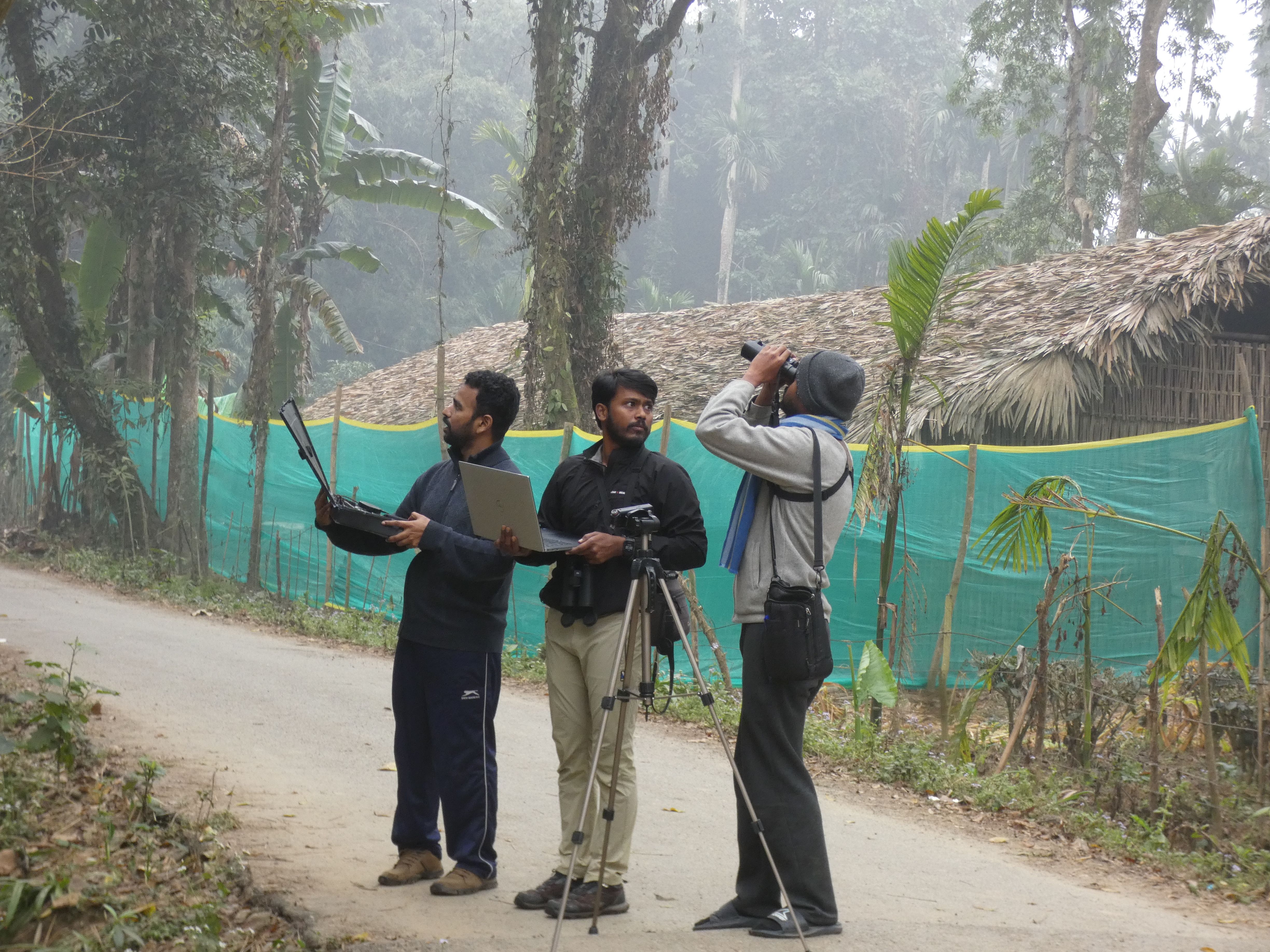
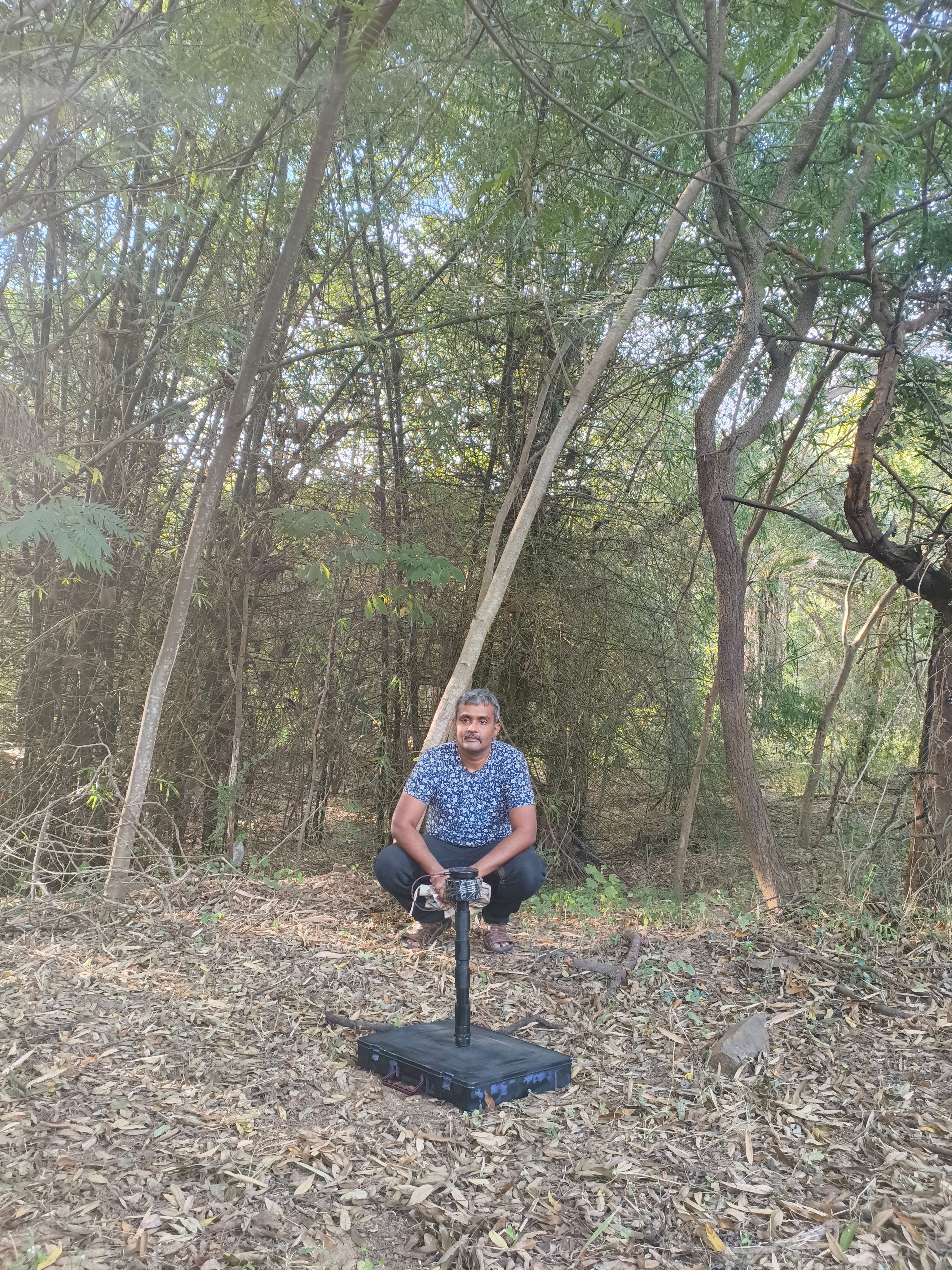
Recording animal sounds and soundscapes is becoming central to understanding biodiversity and its changes. Passive acoustics monitoring (PAM) for ecological and conservation monitoring has become a widely adopted approach, and audio source localisation adds a new dimension to extract insights. To answer the localisation need, we employed novel open-source algorithms and user-centred design principles to develop SonicWild. It uses a microphone array integrated with edge algorithms and an intuitive 3D visualisation interface, enabling users to understand habitats and target species with a fine-scale spatial (direction) detail.
OBJECTIVES
To develop a simple, easy-to-use, economical microphone array.
To develop and customize algorithms for sound source localization and its distance measurement.
KEY COLLABORATIONS
TfC ( Technology for Conservation) and Makesh Chandrasekaran
REGION
Region agnostic.
HIGHLIGHTS
Completed the working prototype of the device with field testing.
Development of an intuitive interface for the live visualisation of the direction in 3D space.
Ability to set a recording schedule to collect data from the field.
The device is packed with features including frequency band selection, multi-channel spectrogram visualisation, parallel recording and visualisation, among others.