CASE STUDY #01

MESOPHOTIC REEFS PROJECT

LAKSHADWEEP
gopr3386
gopr3398
MESOPHOTIC REEFS PROJECT

USING TECHNOLOGY TO STUDY MESOPHOTIC CORAL REEFS

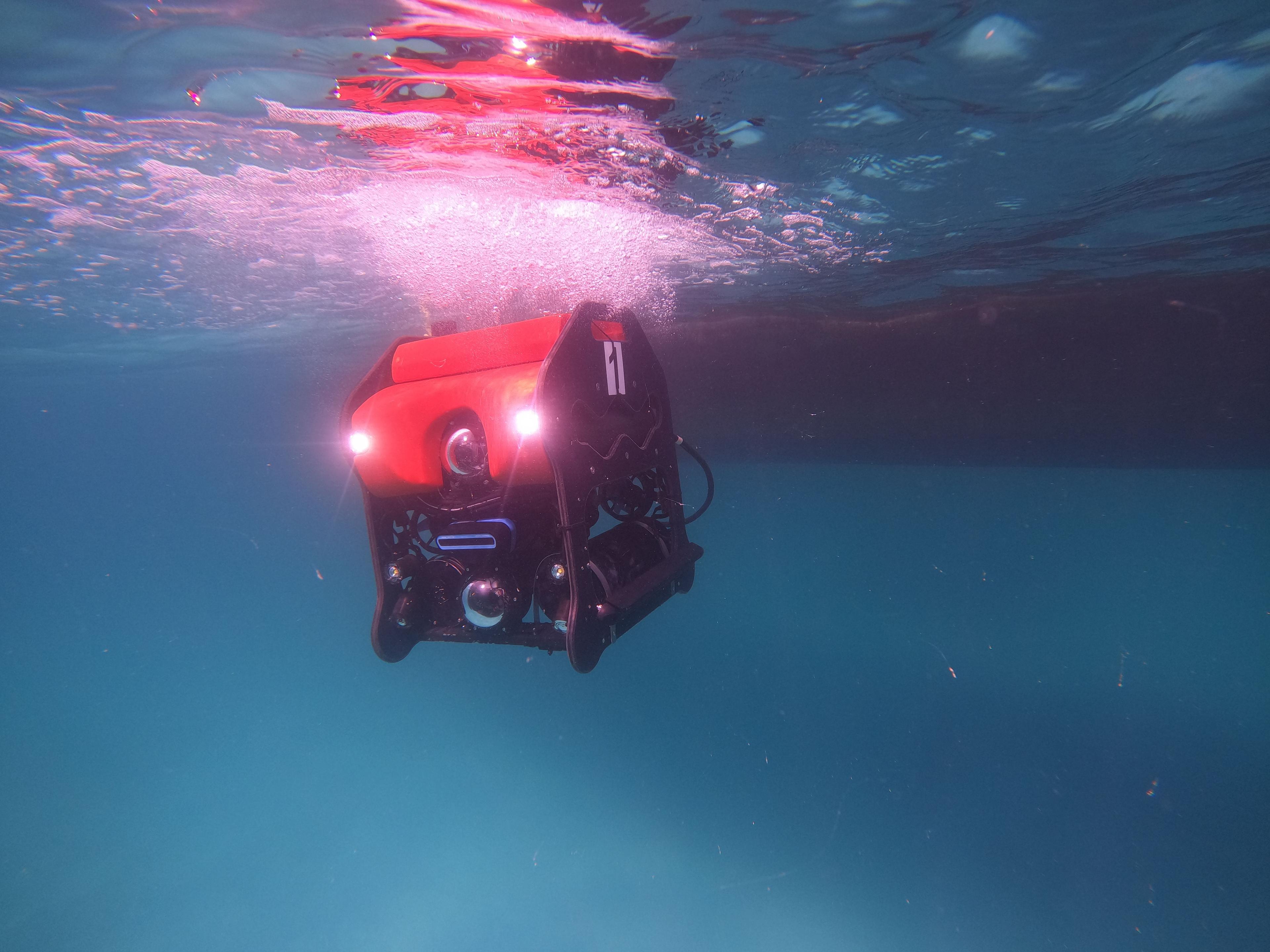
Traditional coral monitoring - whether by divers or fixed platforms, is constrained in terms of scale, depth and efficiency, particularly when it comes to studying mesophotic reefs found beyond depths of 30-35 metres. These deeper reef zones, which often extend from shallow reefs, support rich biodiversity but remain poorly understood due to logistical and financial limitations. With growing interest in these ecosystems, particularly around Lakshadweep, we have begun technological solutions such as ROVs.These vehicles offer a flexible and cost-effective alternative to more expensive submarines and Autonomous Underwater Vehicles (AUVs).

OBJECTIVES

  • To deepen our understanding of mesophotic reef zones

  • To explore technological solutions that can accelerate coal reef monitoring
  • To map coral reefs along India’s west coast and in the Lakshadweep archipelago
  • To identify a scalable and standardisable monitoring solution.

KEY COLLABORATIONS

TfC ( Technology for Conservation) and Marine Programmes of THT, REEF and IROV Technologies.

REGION

The islands and submerged banks of Lakshadweep and adjacent regions.

HIGHLIGHTS

Successfully deployed ROVs to collect visual and ecological data from deeper sites (up to 200 metres)

Assessed suitable ROV payloads for collecting quantifiable data, including:

  • 4K cameras at the front and underside of the ROV

  • Adjustable (90 or 45 degrees) downward-facing camera

  • Laser scaler for size reference

  • Depth and temperature sensors

  • 3D imaging capabilities

Acquired approximately 10 hours (now more) of footage from mesophotic zones (30 to 195 metres) around Agatti, Andrott, Kalpeni and Amini Islands in Lakshadweep and 1.2 hours of data from Bassas de Pedro, a submerged bank north of Lakshadweep.

Successfully tested survey techniques such as transects and virtual quadrats using ROVs.

Read More Case Studies