

| Project Title:
Coastal Habitat Monitoring for Enhanced Resilience, Species Conservation, and Community Well-Being |
Project Location:
|
| Project Brief:
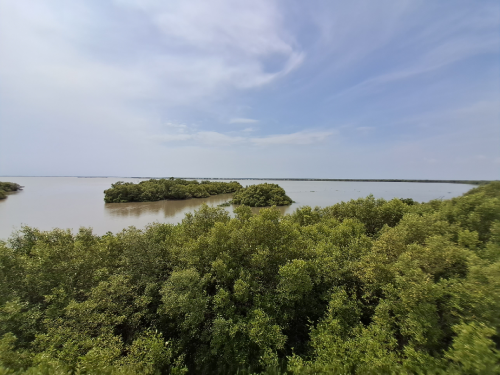
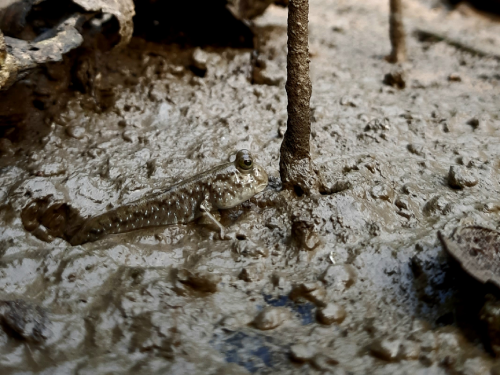
Coastal habitats across India are experiencing severe ecological degradation due to a "coastal squeeze," being trapped between rapid urban development on one side and rising sea levels from the other side. This pressure affects critical ecosystems, degrading habitat quality for flora and fauna, while lowering overall ecosystem resilience. In the Indo-Pacific, Sea Level Rise (SLR) is accelerating at a rate of 3.14 mm/year, significantly going above the global average of 2.5 mm/year. Despite the increased risk of coastal erosion from storm surges and extreme weather, there is a gap in localised scientific data regarding surface elevation changes and geomorphological responses, which limits the capacity of conservation managers to design effective adaptation plans. This project will leverage and expand a standardised network of long-term ecological monitoring stations across four major protected areas along India’s east coast: Sundarbans Biosphere Reserve, Bhitarkanika National Park, Coringa Wildlife Sanctuary, and a new station in the Pichavaram mangroves. By deploying automated salinity and pH data sensors alongside Rod Surface Elevation Tables (rSETs), the team will systematically measure sediment accretion, biomass, and carbon stocks. The project will collate and analyse these datasets to develop site-specific SLR vulnerability profiles and a localised mangrove health index, providing forest departments and policymakers with evidence-based tools needed to prioritise restoration and secure biodiversity habitats. |
Project Objectives:
Our primary goal is to generate scientifically robust, sufficiently detailed, and statistically defensible data, which may allow for developing contextual insights to address local challenges. To achieve this goal, we have the following objectives -
|
This flagship grant will primarily reach out to mid to large sized field work oriented organisations to create a two-way partnership for our common cause of conservation. This grant is directed towards the running costs of on-ground projects. The grant should enable the creation of a sustainable and replicable conservation model to address some of the key conservation issues in India.
This first of its kind initiative aims to secure and regenerate the overlooked and unaddressed habitats of the country that are in urgent need of conservation attention. These lesser-known habitats are home to an array of biodiversity, and serve as important connections between key wildlife landscapes and as havens for dispersal populations from the "celebrity" parks. Through the lesser-known habitats grant, we hope to secure and bring into the limelight these vital habitats.
In recent years, a great deal of attention has been given to the "glamour" species of the country such as tigers, leopards, elephants and rhinos. Unfortunately, several of our equally endangered species have not received the same level of conservation support. This unique grant aims to support conservationists working to secure a future for our lesser-known endangered species.
Across the country there are grassroots conservationists working dedicatedly, with little to no support, to protect our biodiversity. The work they do in their individual capacity has a huge positive impact on conservation in the country. This grant aims to recognize these conservation heroes and provide them a platform to expand their activities and garner further support for their work.
Successfully submitted applications and projects will be screened for eligibility, relevance of answers and authenticity of information. A team of experts, including sector specialists and external auditors, evaluate successful entries on the following parameters:
• Applicant Profile: Based on past performance and credentials, capacity to deliver, financial management, program management and other such criteria.
• Project Profile: Based on statement of need, clarity of objectives, measurability of impact, innovation, strategy and approaches, replicability, stakeholder participation, scalability and sustainability.
At the end of the First Level Screening and Shortlisting round 24 applications, 6 in each category, will move forward for Field Level Verification.
The Habitats Trust team will visit the proposed project locations to verify if details provided by the applicant are true to fact. Along with a Sub-Jury, The Habitats Trust team will shortlist twelve proposals, three in each category, move to the Jury Round. The work of all the applicants shortlisted for the Jury round will be published in The Habitats Trust Grants compendium, as a tribute to their efforts and achievements. Disseminated widely by HCL, this provides national and international visibility to the applicants.
The twelve shortlisted applicants, three in each category, will be invited to present their proposed projects in person to our Jury of eminent conservationists at the Jury Round. Recipients of The Habitats Trust Grants will be announced at a Felicitation Event the next day.